


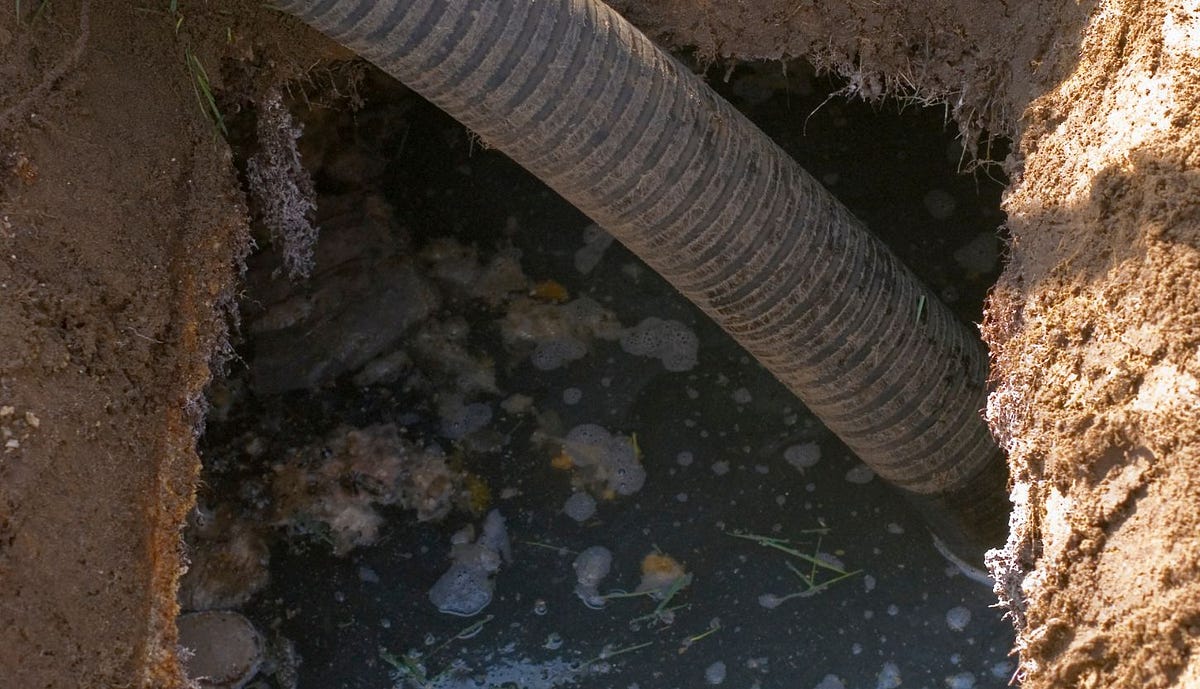
The Ultimate Guide to Treating and Preventing Septic Tank Odors: A Guide to Staying Fresh and Odor-Free
Let’s face it, nobody enjoys the unpleasant scent of a malfunctioning septic system. It’s a situation that can make you feel embarrassed and anxious about your home’s sanitation. Luckily, you don’t have to put up with these lingering odors. By understanding the root causes and implementing preventive measures, you can regain control and say goodbye to those offensive smells forever. This guide will take you step-by-step through the world of septic tank odors, from identifying the source to finding effective solutions.
Understanding the Root of the Problem: Septic Tank Odors Explained
Septic tank odors arise when the natural breakdown process within your system goes awry. Think of it like this: your septic system is a miniature ecosystem, where bacteria diligently work to break down waste. When things are running smoothly, these bacteria do their job efficiently, leaving behind a relatively odorless by-product. However, various factors can disrupt this delicate balance, leading to the release of unpleasant smells.
Common Culprits Behind Septic Tank Odors:
- Overloading the System: Too much waste can overwhelm the bacteria's capacity, resulting in a buildup of smelly solids and an increase in gas production.
- Insufficient Bacteria: Bacteria are the heroes of your septic system, but they can be depleted by harsh chemicals or a lack of proper nutrients. This can leave waste to decompose incompletely, creating a ripe environment for odors.
- Leaking Pipes: Cracks or holes in pipes can allow sewage to escape, releasing foul smells into the surrounding air.
- Blocked Drainfield: A clogged or damaged drainfield can prevent wastewater from being filtered properly, leading to a backup and the release of gases.
- Improper Maintenance: Neglecting routine maintenance, such as septic tank pumping, can exacerbate problems and contribute to odors.
Tackling Those Unpleasant Smells: Treatment Options
Now that you understand the causes, let’s dive into the solutions. Here are some strategies to effectively combat septic tank odors:
1. Septic Tank Pumping: The Essential First Step
Regular septic tank pumping is crucial to maintain proper functioning and minimize odors. The frequency depends on usage, but most systems should be pumped every 3-5 years. A full tank restricts the flow of wastewater, putting stress on the system and leading to backups and odors. Professional pumping removes the accumulated sludge and scum, giving your system a fresh start.
2. Boosting Bacterial Activity: Septic System Additives
Septic system additives, available at hardware stores, contain beneficial bacteria that enhance the decomposition process. These additives help break down waste more efficiently, reducing the build-up of odor-causing materials. Follow the manufacturer’s instructions for proper dosage and application.
3. Preventing Odors with Odor Neutralizers and Deodorizers
Odor neutralizers and deodorizers provide a temporary solution to mask unpleasant smells. They work by absorbing or neutralizing the odor molecules. While they don’t address the root cause, they can help freshen the air in the short term.
4. Addressing Specific Issues: Dealing With Specific Odor Sources
If your odor problem seems localized, you might need to address a specific source, such as a leaky pipe or a clogged drainfield. This may require professional assistance from a qualified plumber or septic system specialist.
Keeping Odors at Bay: Preventive Measures for a Fresh Home
The best way to deal with septic tank odors is to prevent them from happening in the first place. Here are some proactive steps to take:
1. Limit Chemical Usage: Avoiding Harsh Chemicals
Many household chemicals, such as bleach, disinfectants, and certain cleaning agents, can kill off beneficial bacteria in your septic system. Use eco-friendly, biodegradable cleaners whenever possible. This will help maintain the delicate balance of bacteria in your system and prevent odors from forming.
2. Practice Water Conservation: Reducing Load on Your Septic System
Minimize water usage wherever you can. Take shorter showers, install low-flow showerheads, and fix any leaky faucets. This reduces the amount of wastewater entering your system, easing the burden on the bacteria and preventing overloading.
3. Avoid Flushing Problematic Items: The Do's and Don'ts of Septic Systems
Not everything belongs in your septic system. Avoid flushing items like:
- Disposable wipes: Even those labeled “flushable†can cause problems.
- Paper towels: They don’t break down readily and can clog your system.
- Grease and oil: They solidify and accumulate, blocking pipes.
- Excessive amounts of hair and lint: They can contribute to clogs.
- Large quantities of medications: Dispose of them properly as per local regulations.
4. Regular Maintenance: Ensuring Long-Term Smooth Operation
Schedule regular septic tank pumping and inspections to catch potential problems early. A proactive approach can prevent major issues and save you money in the long run.
Commonly Asked Questions
Q: What is the best way to get rid of a strong odor from my septic system?
A: The most effective solution is to identify and address the source of the odor. This may involve septic tank pumping, adding bacterial additives, or fixing a leak. If you can’t pinpoint the cause, consulting a septic system professional is a good idea.
Q: Should I use a septic tank deodorizer?
A: Deodorizers can mask smells temporarily, but they don’t solve the underlying problem. It’s better to address the root cause with pumping, additives, or repairs.
Q: How often should I pump my septic tank?
A: Most septic systems should be pumped every 3-5 years. The frequency depends on your system’s size and household size. It’s always best to consult your local septic system provider for recommendations.
Q: How do I know if my drainfield is clogged?
A: Signs of a clogged drainfield include slow-draining toilets, sewage backing up into the house, or a soggy area above the drainfield. If you suspect a clog, contact a professional for inspection and repair.
With a little knowledge and proactive effort, you can effectively combat septic tank odors and enjoy a fresh-smelling home environment. Remember, taking preventative measures and addressing problems promptly will save you from unpleasant surprises and ensure your septic system operates efficiently for years to come. If you ever have any concerns, don't hesitate to reach out to a qualified septic system professional.
0 comments:
Post a Comment
Note: Only a member of this blog may post a comment.