


How to Prevent Septic Tank Odors with Proper Disposal Methods
A well-maintained septic system is essential for a healthy and comfortable living environment. However, when the system malfunctions or is not properly managed, unpleasant odors can permeate your home, creating an embarrassing and unhealthy situation. One of the main culprits behind these foul smells is improper waste disposal. By adopting responsible practices, you can effectively minimize the risk of septic tank odors and ensure a more pleasant living space.
Understanding the Source of Septic Tank Odors
Septic tank odors arise from the decomposition of organic waste within the tank. When bacteria break down the waste, they release gases, including hydrogen sulfide, which is responsible for that characteristic rotten egg smell. Improper disposal practices can overload the septic system, leading to a buildup of waste and an increase in odor-producing gases.
Here's a breakdown of how common disposal practices can contribute to septic tank odors:
Avoid These Common Mistakes
Flushing Non-Biodegradable Items
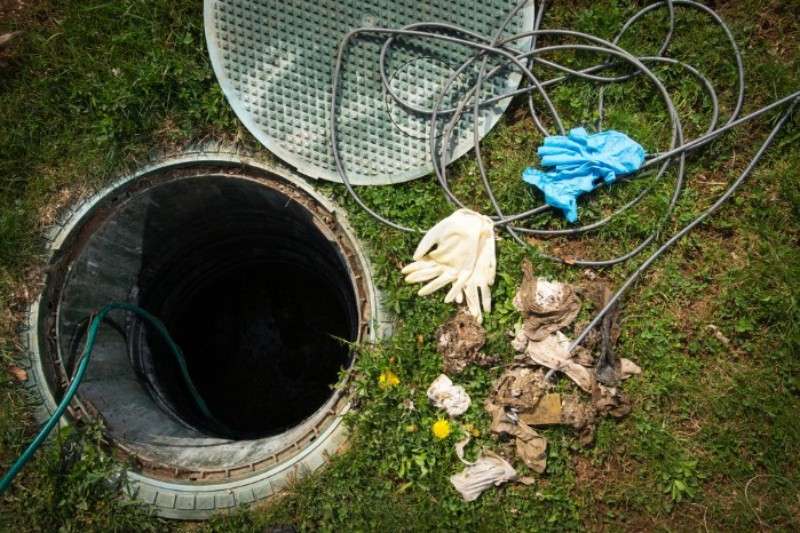
Items like wipes, paper towels, cotton balls, and feminine hygiene products are often advertised as flushable, but they don't readily break down in septic systems. These items can clog pipes, create a buildup in the tank, and lead to foul odors.
Pouring Grease and Oils Down the Drain
Grease and oils solidify in the tank, creating a thick layer that traps waste and hinders the decomposition process. This buildup can lead to backups, clogs, and unpleasant odors.
Using Excessive Amounts of Chemicals
While some cleaning products are designed for septic systems, excessive use can disrupt the delicate balance of bacteria in the tank. Harsh chemicals can kill beneficial bacteria, slowing down the decomposition process and contributing to odors.
Overloading the System with Large Quantities of Waste
Hosting large gatherings or having a high-volume household can overwhelm the septic system's capacity. Excessive waste can lead to backups and odors.
Best Practices for Odor Prevention
Implementing these simple yet effective practices can significantly reduce the risk of septic tank odors:
Use Septic-Safe Products
Choose toilet paper, wipes, and cleaning products specifically labeled as "septic safe." These products are formulated to break down easily in septic systems.
Dispose of Grease and Oils Properly
Instead of pouring grease and oils down the drain, collect them in a container and discard them in the trash. Never pour them down the drain.
Practice Water Conservation
Reduce water usage by taking shorter showers, fixing leaks promptly, and using water-saving appliances. This will decrease the load on your septic system and reduce the risk of odors.
Regular Maintenance and Inspections
Schedule regular septic tank maintenance and inspections by a qualified professional. These inspections will help identify any potential issues early on and prevent odors.
Additional Tips
Here are some additional tips to minimize the risk of septic tank odors:
- Avoid using bleach and other harsh chemicals excessively.
- Limit the amount of garbage disposal use.
- Be mindful of what you flush down the toilet. Avoid items that are not easily biodegradable, such as disposable diapers and plastic bags.
- Ensure the septic tank lid is securely closed to prevent odors from escaping.
By adopting these practices, you can significantly reduce the risk of unpleasant septic tank odors. Remember, proactive maintenance and responsible disposal are key to a healthy and odor-free living environment. If you experience any persistent odors, contact a qualified septic tank professional for assistance.
0 comments:
Post a Comment
Note: Only a member of this blog may post a comment.