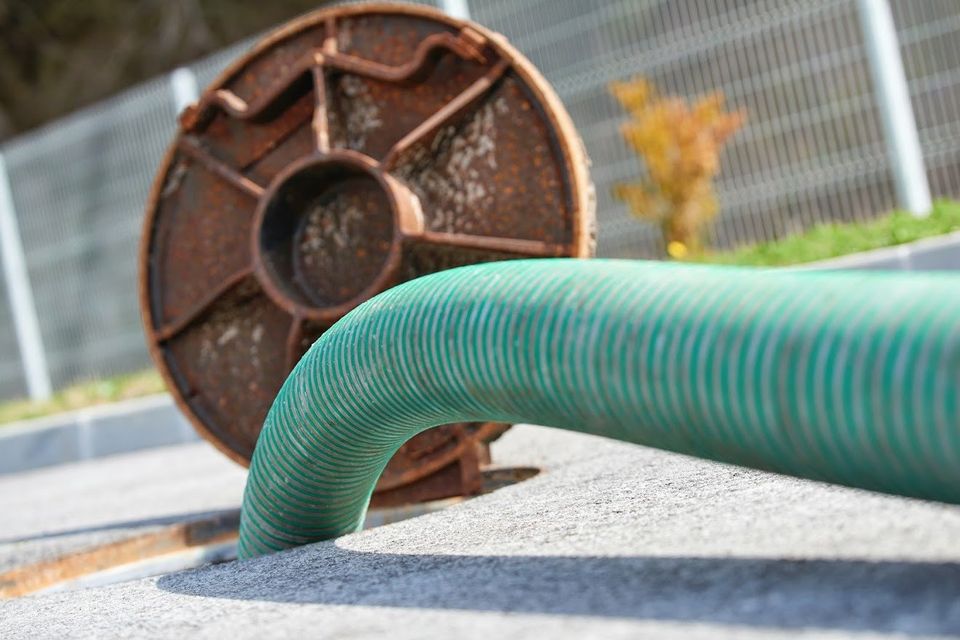
A comprehensive guide to keeping your septic tank fresh, covering regular maintenance and the best products for odor prevention.

Sunday, November 17, 2024

Causes of Septic Tank Smells in Cold Weather and How to Prevent Them

Causes of Septic Tank Smells in Cold Weather and How to Prevent Them

Causes of Septic Tank Smells in Cold Weather and How to Prevent Them

The frigid embrace of winter can bring more than just snow and ice; it can also bring the unwelcome odor of a malfunctioning septic system. While septic tank issues can occur year-round, cold weather exacerbates certain problems, leading to unpleasant smells wafting through your home. Understanding the root causes of these winter septic smells and implementing preventative measures can keep your home smelling fresh and your septic system functioning smoothly.

Understanding the Mechanics of a Septic System

To comprehend why cold weather affects septic systems, it's crucial to understand how they work. A septic system is a self-contained wastewater treatment system that utilizes a series of natural processes to break down sewage. Here's a simplified breakdown:

  1. Wastewater Enters the Tank: Wastewater from your home, including sewage, greywater, and other household waste, flows into the septic tank.
  2. Solids Settle, Liquids Discharge: Heavier solids settle to the bottom of the tank, forming sludge. Lighter liquids, known as effluent, rise to the top and flow into the leach field.
  3. Leach Field Treatment: The effluent flows through a series of perforated pipes buried in a gravel-filled area called the leach field. The gravel provides a surface area for bacteria to break down the remaining organic matter in the effluent.
  4. Water Returns to the Environment: Cleaned water is gradually absorbed by the soil, returning to the environment.

Why Cold Weather Aggravates Septic System Issues

The interplay of freezing temperatures and bacterial activity within the septic system leads to several challenges, often resulting in unpleasant odors:

1. Slower Bacterial Decomposition

Bacteria, the workhorses of the septic system, thrive in warm temperatures. As temperatures drop, bacterial activity slows down considerably. This reduced activity hinders the breakdown of sewage solids, leading to an accumulation of sludge and scum. The buildup of these materials creates a breeding ground for odor-producing bacteria.

2. Frozen Pipes and Leach Fields

When temperatures plunge below freezing, the water in the septic system's pipes and the leach field can freeze. This freezing can obstruct the flow of wastewater, leading to backups in the system and a buildup of pressure. The pressure can force sewage out of the tank, creating a foul odor.

3. Reduced Water Absorption in the Leach Field

Frozen soil can impede the absorption of treated wastewater from the leach field. This can lead to a buildup of effluent in the leach field, causing a backup and potentially forcing raw sewage back into the tank.

4. Increased Use of Hot Water

In cold weather, households tend to use more hot water, which can lead to increased water volume entering the septic system. This surge in water volume can overwhelm the system's capacity, leading to backups and odors.

Preventing Septic System Smells in Cold Weather

Taking proactive steps to maintain your septic system throughout the winter months is crucial for preventing unpleasant odors and ensuring its optimal performance. Consider these preventative measures:

1. Regularly Inspect and Maintain Your System

Annual septic system inspections by a qualified professional are essential. They can assess the system's health, identify potential problems, and recommend necessary maintenance. Routine maintenance includes:

  • Pumping the Tank: Ensure your tank is pumped out every 3-5 years, or more frequently if needed. This removes accumulated sludge and scum, preventing backups and odors.
  • Checking for Leaks: Inspect your system for any leaks, particularly around the tank and the leach field. Timely repairs can prevent further damage and unpleasant smells.
  • Maintaining the Leach Field: Keep the leach field area free of obstructions and excessive vegetation. This ensures proper drainage and prevents wastewater backups.

2. Prevent Freezing

Preventing your septic system from freezing is critical. Here are some helpful tips:

  • Insulate Pipes and Tank: Insulate exposed pipes and the tank itself to prevent them from freezing. This can be done using pipe insulation foam or commercially available tank insulation kits.
  • Keep Water Flowing: Maintain a steady flow of water through the system to prevent freezing. You can achieve this by running a trickle of water in a sink or bathtub, particularly during periods of extreme cold.
  • Install a Septic System Heater: Consider installing a septic system heater, especially in regions with extremely cold winters. These heaters keep the system warm enough to prevent freezing.

3. Conserve Water

Reducing water usage during cold weather can alleviate pressure on the septic system and lessen the risk of backups and odors. Simple tips include:

  • Fix Leaks Promptly: Address any leaks in your home's plumbing system. Even small leaks can contribute to excessive water usage.
  • Use Low-Flow Fixtures: Install low-flow showerheads, toilets, and faucets to conserve water.
  • Run Full Loads: Wait for full loads of laundry or dishes before operating appliances to save water and reduce the volume entering the septic system.

4. Avoid Putting Certain Substances Down the Drain

Certain household items can disrupt the natural processes in your septic system and contribute to odors. Avoid putting the following down the drain:

  • Fats, Oils, and Greases: These substances solidify in cold temperatures, clogging pipes and creating a breeding ground for bacteria.
  • Chemicals: Avoid using harsh chemicals like bleach, disinfectants, and drain cleaners. They can kill beneficial bacteria in the system.
  • Large Amounts of Paper: Excessive amounts of paper can clog the system, particularly when combined with other waste materials.
  • Disposable Wipes: Many disposable wipes are not biodegradable and can cause severe clogs. Use flushable wipes specifically designed for septic systems, but use them sparingly.

Addressing Existing Septic Smells

If you're already experiencing septic smells, it's crucial to address the issue promptly. Here's a breakdown of steps to take:

1. Identify the Source

Pinpointing the source of the odor is essential for effective remediation. Look for signs of sewage buildup, such as wet spots or foul smells in the yard, or a backup in the plumbing. If the odor emanates from the septic tank itself, it could indicate a problem with sludge or scum buildup.

2. Consider Professional Assistance

If you suspect a problem with your septic system, contact a qualified septic professional. They can inspect the system, diagnose the cause of the odors, and recommend appropriate solutions.

3. Utilize Odor Neutralizers

While not a long-term solution, odor neutralizers can temporarily mask unpleasant smells. However, remember that these products do not address the root cause of the problem.

Conclusion

Understanding the mechanics of your septic system and implementing preventative measures is crucial for maintaining a pleasant-smelling home throughout the winter months. Remember, a well-maintained septic system operates silently and efficiently, leaving you free to enjoy the cozy warmth of your home without any unpleasant surprises. If you notice any unusual smells or signs of trouble, don't hesitate to call a professional for assistance.

Share:

Saturday, November 16, 2024

How to Prevent and Get Rid of Septic Tank Odor in Your Yard

How to Prevent and Get Rid of Septic Tank Odor in Your Yard

How to Prevent and Get Rid of Septic Tank Odor in Your Yard

A septic system is a crucial component of a home's sanitation, but it can also become a source of unpleasant odors. If you detect a foul smell emanating from your yard, it's likely originating from your septic tank. Septic tank odor can be embarrassing and disruptive, but there are effective measures you can take to prevent and eliminate it.

Understanding the source of the odor is essential for addressing it effectively. Septic tank odor typically arises from the breakdown of organic matter within the tank. As wastewater decomposes, it releases hydrogen sulfide gas, responsible for the characteristic rotten egg smell. This gas can escape into the surrounding environment through cracks in the tank, vent pipes, or even the soil itself.

This article will delve into the various factors contributing to septic tank odor and provide comprehensive solutions for both prevention and remediation. By understanding the underlying causes and implementing the appropriate measures, you can effectively eliminate the stench and restore a pleasant ambiance to your yard.

Causes of Septic Tank Odor

Septic tank odor can be caused by a variety of factors, including:

  • Overloading the System: When the septic tank is overloaded, it can't process waste effectively, leading to backups and odor. This can occur due to excessive water usage, improper disposal of certain items, or a malfunctioning drain field.
  • Malfunctioning Vent Pipe: The vent pipe plays a crucial role in releasing gases and preventing pressure buildup within the septic system. If it's clogged or damaged, it can trap gases and contribute to odor.
  • Cracked or Leaking Tank: A cracked or leaking septic tank allows wastewater and gases to escape, leading to a strong odor in the surrounding area.
  • Improper Maintenance: Regular septic tank maintenance is essential for preventing odor. Neglecting pumping and cleaning can lead to the accumulation of sludge and scum, creating an environment conducive to odor production.
  • Soil Conditions: The type of soil surrounding the septic tank can affect odor. Clayey soils tend to retain moisture and odors more effectively than sandy soils.
  • Tree Roots: Tree roots can invade the septic system, causing damage and leading to leaks and odor.
  • Nearby Drainage Issues: Poor drainage in the surrounding area can lead to water accumulation, creating an environment favorable for bacteria and odor.

Preventing Septic Tank Odor

Prevention is key when it comes to septic tank odor. By following these measures, you can significantly reduce the likelihood of encountering this unpleasant issue:

  • Practice Water Conservation: Reduce water usage in your home to prevent overloading the septic tank. This includes taking shorter showers, fixing leaky faucets, and avoiding unnecessary flushing.
  • Proper Waste Disposal: Avoid flushing non-biodegradable items like wipes, diapers, and feminine hygiene products down the toilet. These items can clog pipes and disrupt the septic system's operation.
  • Regular Maintenance: Schedule regular septic tank pumping every 3-5 years or as recommended by your local authorities. This will ensure the tank is operating efficiently and prevent the accumulation of sludge.
  • Inspect Vent Pipes: Regularly check the vent pipe for any blockages or damage. Ensure it's clear and unobstructed to allow proper gas release.
  • Avoid Planting Trees Over the Tank: Tree roots can penetrate the septic system and cause damage, leading to leaks and odor. Avoid planting trees directly over the tank or drain field.
  • Address Drainage Issues: Ensure proper drainage in your yard to prevent water accumulation and odor. This may involve grading the ground, installing drainage channels, or addressing other drainage problems.

Getting Rid of Septic Tank Odor

If you're already dealing with septic tank odor, here are some steps you can take to eliminate it:

Temporary Solutions

These methods can provide temporary relief from odor while you address the underlying issue:

  • Ventilation: Open windows and doors to ventilate the affected area. Use fans to circulate fresh air and reduce odor concentration.
  • Air Fresheners: Use air fresheners to mask the odor. However, this is only a temporary solution and does not address the root cause.
  • Baking Soda: Sprinkle baking soda around the affected area. Baking soda is a natural deodorizer and can help absorb odors.

Long-Term Solutions

For a more permanent solution, you'll need to address the root cause of the odor. This may involve:

  • Septic Tank Pumping: If the tank is full of sludge, pumping it out will eliminate the source of the odor.
  • Repairing Leaks: Repairing leaks in the septic tank or surrounding pipes will prevent wastewater and gases from escaping.
  • Cleaning the Vent Pipe: Cleaning or replacing a clogged or damaged vent pipe will allow gases to escape properly.
  • Addressing Drainage Issues: Correcting drainage problems in the yard will reduce the likelihood of water accumulating and creating an environment favorable for odor.
  • Septic System Evaluation: A professional septic system evaluation can help identify the root cause of the odor and recommend appropriate solutions.

Using Septic Tank Additives

Septic tank additives are available in various forms, including liquids, tablets, and powders. They are designed to enhance the breakdown of organic matter in the tank, reduce odor, and improve the overall efficiency of the system. These additives typically contain bacteria and enzymes that break down waste more effectively.

While septic tank additives can be helpful in reducing odor and maintaining a healthy septic system, they should not be considered a substitute for regular maintenance. It's essential to continue pumping the tank regularly and avoiding the disposal of non-biodegradable items.

Professional Help

If you're unable to resolve the odor on your own, it's advisable to seek professional help. A licensed septic system contractor can inspect your system, identify the root cause of the problem, and recommend the most effective solutions.

A professional can:

  • Inspect the Septic Tank: They can inspect the tank for cracks, leaks, and other damage.
  • Evaluate the Drain Field: They can assess the drain field for blockages or other issues that could be contributing to odor.
  • Pump the Tank: They can pump out the tank and remove accumulated sludge and scum.
  • Repair or Replace Components: They can repair or replace damaged or malfunctioning components, such as the vent pipe or drain field.

Conclusion

Septic tank odor can be a nuisance, but it's a problem that can be effectively addressed with the right approach. By understanding the causes, practicing preventive measures, and utilizing appropriate solutions, you can eliminate the stench and restore a pleasant ambiance to your yard. Regular maintenance, proper waste disposal, and professional assistance are crucial for ensuring a healthy and odor-free septic system.

Share:

The Ultimate Guide to Treating and Preventing Septic Tank Odors

The Ultimate Guide to Treating and Preventing Septic Tank Odors

The Ultimate Guide to Treating and Preventing Septic Tank Odors: A Guide to Staying Fresh and Odor-Free

Let’s face it, nobody enjoys the unpleasant scent of a malfunctioning septic system. It’s a situation that can make you feel embarrassed and anxious about your home’s sanitation. Luckily, you don’t have to put up with these lingering odors. By understanding the root causes and implementing preventive measures, you can regain control and say goodbye to those offensive smells forever. This guide will take you step-by-step through the world of septic tank odors, from identifying the source to finding effective solutions.

Understanding the Root of the Problem: Septic Tank Odors Explained

Septic tank odors arise when the natural breakdown process within your system goes awry. Think of it like this: your septic system is a miniature ecosystem, where bacteria diligently work to break down waste. When things are running smoothly, these bacteria do their job efficiently, leaving behind a relatively odorless by-product. However, various factors can disrupt this delicate balance, leading to the release of unpleasant smells.

Common Culprits Behind Septic Tank Odors:

  • Overloading the System: Too much waste can overwhelm the bacteria's capacity, resulting in a buildup of smelly solids and an increase in gas production.
  • Insufficient Bacteria: Bacteria are the heroes of your septic system, but they can be depleted by harsh chemicals or a lack of proper nutrients. This can leave waste to decompose incompletely, creating a ripe environment for odors.
  • Leaking Pipes: Cracks or holes in pipes can allow sewage to escape, releasing foul smells into the surrounding air.
  • Blocked Drainfield: A clogged or damaged drainfield can prevent wastewater from being filtered properly, leading to a backup and the release of gases.
  • Improper Maintenance: Neglecting routine maintenance, such as septic tank pumping, can exacerbate problems and contribute to odors.

Tackling Those Unpleasant Smells: Treatment Options

Now that you understand the causes, let’s dive into the solutions. Here are some strategies to effectively combat septic tank odors:

1. Septic Tank Pumping: The Essential First Step

Regular septic tank pumping is crucial to maintain proper functioning and minimize odors. The frequency depends on usage, but most systems should be pumped every 3-5 years. A full tank restricts the flow of wastewater, putting stress on the system and leading to backups and odors. Professional pumping removes the accumulated sludge and scum, giving your system a fresh start.

2. Boosting Bacterial Activity: Septic System Additives

Septic system additives, available at hardware stores, contain beneficial bacteria that enhance the decomposition process. These additives help break down waste more efficiently, reducing the build-up of odor-causing materials. Follow the manufacturer’s instructions for proper dosage and application.

3. Preventing Odors with Odor Neutralizers and Deodorizers

Odor neutralizers and deodorizers provide a temporary solution to mask unpleasant smells. They work by absorbing or neutralizing the odor molecules. While they don’t address the root cause, they can help freshen the air in the short term.

4. Addressing Specific Issues: Dealing With Specific Odor Sources

If your odor problem seems localized, you might need to address a specific source, such as a leaky pipe or a clogged drainfield. This may require professional assistance from a qualified plumber or septic system specialist.

Keeping Odors at Bay: Preventive Measures for a Fresh Home

The best way to deal with septic tank odors is to prevent them from happening in the first place. Here are some proactive steps to take:

1. Limit Chemical Usage: Avoiding Harsh Chemicals

Many household chemicals, such as bleach, disinfectants, and certain cleaning agents, can kill off beneficial bacteria in your septic system. Use eco-friendly, biodegradable cleaners whenever possible. This will help maintain the delicate balance of bacteria in your system and prevent odors from forming.

2. Practice Water Conservation: Reducing Load on Your Septic System

Minimize water usage wherever you can. Take shorter showers, install low-flow showerheads, and fix any leaky faucets. This reduces the amount of wastewater entering your system, easing the burden on the bacteria and preventing overloading.

3. Avoid Flushing Problematic Items: The Do's and Don'ts of Septic Systems

Not everything belongs in your septic system. Avoid flushing items like:

  • Disposable wipes: Even those labeled “flushable” can cause problems.
  • Paper towels: They don’t break down readily and can clog your system.
  • Grease and oil: They solidify and accumulate, blocking pipes.
  • Excessive amounts of hair and lint: They can contribute to clogs.
  • Large quantities of medications: Dispose of them properly as per local regulations.

4. Regular Maintenance: Ensuring Long-Term Smooth Operation

Schedule regular septic tank pumping and inspections to catch potential problems early. A proactive approach can prevent major issues and save you money in the long run.

Commonly Asked Questions

Q: What is the best way to get rid of a strong odor from my septic system?

A: The most effective solution is to identify and address the source of the odor. This may involve septic tank pumping, adding bacterial additives, or fixing a leak. If you can’t pinpoint the cause, consulting a septic system professional is a good idea.

Q: Should I use a septic tank deodorizer?

A: Deodorizers can mask smells temporarily, but they don’t solve the underlying problem. It’s better to address the root cause with pumping, additives, or repairs.

Q: How often should I pump my septic tank?

A: Most septic systems should be pumped every 3-5 years. The frequency depends on your system’s size and household size. It’s always best to consult your local septic system provider for recommendations.

Q: How do I know if my drainfield is clogged?

A: Signs of a clogged drainfield include slow-draining toilets, sewage backing up into the house, or a soggy area above the drainfield. If you suspect a clog, contact a professional for inspection and repair.

With a little knowledge and proactive effort, you can effectively combat septic tank odors and enjoy a fresh-smelling home environment. Remember, taking preventative measures and addressing problems promptly will save you from unpleasant surprises and ensure your septic system operates efficiently for years to come. If you ever have any concerns, don't hesitate to reach out to a qualified septic system professional.

Share:

Thursday, November 14, 2024

How to Solve Outdoor Septic Odor Problems: Causes and Fixes

How to Solve Outdoor Septic Odor Problems: Causes and Fixes

How to Solve Outdoor Septic Odor Problems: Causes and Fixes

A pungent odor emanating from your septic system is not only unpleasant but also a sign of a potential problem. While it's natural for a septic system to have a slight earthy smell, a strong or persistent odor usually indicates something is amiss. The good news is that most septic odor problems can be addressed with a few simple fixes. Let's dive into the common causes of these odors and explore effective solutions to eliminate them.

Common Causes of Septic Odor

Understanding the root of the problem is the first step to effectively dealing with septic odors. Several factors can contribute to the unpleasant aroma, and pinpointing the culprit is key to finding the right solution:

1. Septic Tank Overflow

A full septic tank is a primary cause of odor. When the tank fills beyond its capacity, wastewater can back up into the drain field or even into your home's plumbing, releasing a foul stench.

2. Clogged Drain Field

The drain field, where treated wastewater is released into the soil, is another potential source of odor. A clogged drain field can cause wastewater to back up, leading to a foul smell. This can happen due to factors like excessive use of chemicals, tree roots encroaching on the drain field, or soil compaction.

3. Malfunctioning Septic System Components

A faulty septic tank lid, cracks in the tank itself, or a malfunctioning vent pipe can all lead to odor problems. These issues allow gases from the tank to escape into the surrounding environment, creating an unpleasant smell.

4. Poorly Maintained System

Lack of regular maintenance can significantly worsen septic odor issues. If you're neglecting regular pumping, allowing excessive grease and solids to accumulate in the tank, or not inspecting the system for problems, you're inviting trouble.

Effective Solutions to Eliminate Septic Odor

Now that you know the culprits behind septic odors, let's focus on the solutions:

1. Pump Your Septic Tank Regularly

The most important step is to have your septic tank pumped regularly. A professional service can remove the accumulated sludge and scum, preventing overflows and reducing odor. Ideally, you should have your tank pumped every 3-5 years, depending on the size of your tank and the number of occupants in your home.

2. Avoid Chemicals and Harsh Substances

Chemicals like bleach, disinfectants, and certain cleaning agents can harm the beneficial bacteria in your septic system and cause odors. Opt for eco-friendly cleaners and avoid pouring harsh substances down the drain.

3. Fix a Clogged Drain Field

If your drain field is clogged, you'll need professional help to fix it. A septic tank professional can assess the situation and recommend the most effective solution, which may involve repairing the drain field or installing a new one.

4. Inspect and Repair System Components

Regularly inspect the septic tank lid, the tank itself, and the vent pipe for any cracks or leaks. Repair any damage promptly to prevent odors from escaping.

5. Optimize Septic System Maintenance

  • Avoid flushing non-biodegradable items: Don't flush items like wipes, paper towels, and feminine hygiene products, as they can clog the system and cause odors.
  • Consider using a septic tank treatment: These treatments help break down waste and reduce odor.
  • Avoid overloading the system: Limit the amount of water used for laundry and dishwashing.
  • Inspect your drain field for tree roots: If roots are encroaching, a professional can remove them.

When to Call a Professional

While many septic odor problems can be addressed with DIY solutions, some situations require professional help. Contact a licensed septic contractor if you:

  • Notice a persistent odor despite following the above recommendations.
  • Suspect a major issue with your septic system, like a crack in the tank or a clogged drain field.
  • Have a large septic system or a complex property setup.

By following these steps, you can effectively combat septic odors and ensure your system functions smoothly. Remember, addressing the problem early will prevent further complications and ensure a cleaner and more pleasant outdoor environment.

Share:

How to Prevent Septic Tank Smells from Reaching the Inside of Your Home

How to Prevent Septic Tank Smells from Reaching the Inside of Your Home

How to Prevent Septic Tank Smells from Reaching the Inside of Your Home

The unpleasant odor of a malfunctioning septic system can quickly turn your home into an unbearable environment. While septic tanks are designed to process waste efficiently, they can sometimes generate foul smells that seep into the house. These odors are not only unpleasant but can also be indicative of a more serious underlying problem with your septic system.

Fortunately, several preventative measures can be taken to minimize the risk of septic tank smells permeating your home. By implementing these strategies, you can maintain a clean and odor-free living environment while ensuring the proper functioning of your septic system.

Understanding the Source of Septic Tank Smells

Septic tank odors arise from the breakdown of organic waste by bacteria. During this process, gases like hydrogen sulfide (rotten egg smell) and ammonia (pungent, urine-like odor) are produced. These gases can escape from the tank and travel through vents, pipes, or even cracks in the foundation, ultimately entering your home.

Common Causes of Septic Tank Smells

  • Overloading the Septic Tank: When the tank is overloaded with waste, it can lead to backups and overflow, causing the release of foul odors.
  • Failing Septic System: A malfunctioning septic system can lead to leaks or blockages, allowing odor-producing gases to escape. Common issues include clogged drainfields, leaky pipes, and faulty pumps.
  • Improper Ventilation: Inadequate ventilation can trap gases within the system, preventing their release and leading to odor buildup.
  • Dry Soil Conditions: Dry soil around the septic tank and drainfield can hinder the breakdown of waste, leading to odor production.
  • Preventative Measures to Eliminate Septic Tank Odors

    Addressing the root cause of the odor is crucial for eliminating it. Here are some effective strategies for preventing septic tank smells from reaching your home.

    1. Maintain Proper Septic Tank Usage

    Adopting responsible septic system usage practices is essential for odor control and overall system health. Here are some key points to remember:

  • Avoid Flushing Non-Biodegradable Materials: Dispose of items like wipes, paper towels, sanitary products, and medications in the trash, as they can clog the system and cause backups.
  • Minimize Water Usage: Running short showers, avoiding excessive laundry loads, and using low-flow appliances can help reduce the volume of wastewater entering the septic system.
  • Limit Grease and Oil Discharge: Grease and oil can solidify in pipes and cause clogs. Dispose of them properly to prevent clogs and odors.
  • Avoid Excessive Chemical Use: Limit the use of harsh chemicals in the bathroom and laundry, as they can disrupt the beneficial bacteria responsible for waste breakdown.
  • 2. Regular Septic Tank Inspections and Maintenance

    Proactive maintenance is key to preventing septic tank problems. Regular inspections and maintenance can detect potential issues early on and prevent them from escalating.

  • Schedule Regular Inspections: Have a professional inspect your septic system every 2-3 years to assess its condition and identify any potential issues.
  • Pump the Tank Regularly: Septic tanks need regular pumping to remove accumulated solids. The recommended frequency depends on tank size and usage but is typically every 3-5 years.
  • Inspect and Maintain the Drainfield: The drainfield plays a crucial role in filtering wastewater. Regular inspections and maintenance, such as replacing broken or damaged pipes, can ensure its proper function.
  • 3. Enhance Ventilation and Drainage

    Adequate ventilation and drainage are crucial for eliminating odor-producing gases from the septic system.

  • Check and Clean Vents: Ensure that the septic system vents are clear of obstructions and properly functioning. Regular cleaning can prevent blockages and improve ventilation.
  • Inspect and Repair Drains: Check for leaks in the septic system's drains and pipes. Repair any leaks promptly to prevent odor-causing gases from escaping.
  • Consider Installing a Vent Fan: A vent fan installed near the septic tank can provide additional ventilation and draw out any odor-producing gases.
  • 4. Address Soil Conditions

    The soil surrounding the septic tank and drainfield plays a critical role in waste breakdown and odor control.

  • Maintain Proper Soil Moisture: Avoid overwatering the area around the septic system. Keep the soil moist but not overly saturated.
  • Avoid Heavy Traffic Over the Drainfield: Heavy traffic can compact the soil, hindering drainage and increasing the risk of odors.
  • Consider Adding Soil Amendments: If the soil is excessively dry or sandy, consider adding soil amendments like compost or peat moss to improve drainage and enhance waste breakdown.
  • 5. Identify and Repair Leaks

    Leaks in the septic system can allow odor-producing gases to escape into the environment. Addressing these leaks promptly is essential for odor control.

  • Inspect Pipes and Fittings: Check all pipes, fittings, and seals for signs of leaks, such as cracks, corrosion, or loose connections.
  • Professional Leak Detection: If you suspect a leak but cannot locate it, call a professional plumber or septic system specialist to conduct a leak detection inspection.
  • Addressing Septic Tank Smells After They Appear

    If you are experiencing septic tank odors despite taking preventative measures, there are steps you can take to address the immediate problem.

    1. Identify the Odor Source

    Before taking any corrective action, it's crucial to pinpoint the source of the odor. This will help you determine the most effective solution.

  • Check for Obvious Sources: Inspect drains, vents, and floor drains for visible signs of leaks or blockages.
  • Follow the Odor Trail: Try to trace the odor back to its source by moving around the house and sniffing carefully.
  • Professional Inspection: If you cannot locate the odor source, a professional septic system specialist can conduct a thorough inspection and identify the problem.
  • 2. Temporary Odor Control Measures

    While addressing the root cause of the odor is essential, temporary odor control measures can provide relief until the issue is resolved.

  • Use Baking Soda and Vinegar: Pour a mixture of baking soda and vinegar down the drain to neutralize odors and break down grease.
  • Boil Water: Boiling water on the stovetop and pouring it down the drain can help to clear obstructions and freshen the odor.
  • Place Bowls of Baking Soda: Place bowls of baking soda strategically throughout the house to absorb odors.
  • Use Air Fresheners: While not a permanent solution, air fresheners can temporarily mask odors.
  • Professional Assistance

    If you are unable to identify the source of the septic tank odor or address the problem yourself, it is best to seek professional help from a qualified septic system specialist. These professionals have the expertise and equipment necessary to diagnose and resolve issues quickly and effectively.

    A professional septic system specialist can:

  • Conduct a thorough inspection of your system.
  • Identify any leaks, blockages, or other issues.
  • Recommend and implement the appropriate repair or maintenance solutions.
  • Provide guidance on proper septic system usage and maintenance.
  • Conclusion

    Preventing septic tank smells from reaching the inside of your home requires a combination of responsible usage, regular maintenance, and prompt action when odors appear. By implementing the strategies outlined in this article, you can minimize the risk of unpleasant odors and ensure a comfortable and healthy living environment.

    Share:

    Wednesday, November 13, 2024

    How Clogged Septic Tank Pipes Contribute to Odors

    How Clogged Septic Tank Pipes Contribute to Odors

    Clogged Septic Tank Pipes and the Genesis of Unpleasant Odors

    Septic systems are designed to efficiently process wastewater, but when their intricate network of pipes becomes obstructed, it can lead to a cascade of problems, including the unpleasant emission of foul odors. Understanding the mechanisms behind odor generation in clogged septic tank pipes is crucial for homeowners to address the issue promptly and prevent potential health risks.

    The Septic System: A Delicate Ecosystem

    A septic system is a self-contained wastewater treatment system commonly found in areas lacking access to municipal sewer lines. It comprises a septic tank, a leach field, and a network of connecting pipes. The septic tank acts as the primary treatment vessel, where solids settle to the bottom, forming sludge, while lighter liquids, known as effluent, flow into the leach field. The leach field's porous soil filters the effluent, allowing treated water to percolate into the ground.

    Clogs: The Culprit Behind Septic System Odors

    Clogs in septic tank pipes can occur due to various factors, including:

    • Grease and Oil Buildup: Fats and oils from cooking and other household activities solidify in pipes, creating a sticky residue that traps other debris.
    • Hair and Other Solids: Hair from showers, lint from laundry, and food particles can accumulate in pipes, restricting water flow.
    • Tree Roots: Invasive tree roots can penetrate pipe joints, creating blockages and disrupting the system's function.
    • Sediment Accumulation: Over time, sediment from wastewater can settle and accumulate in pipes, narrowing their diameter and hindering flow.
    • Improper Installation or Maintenance: Faulty pipe installation or inadequate maintenance practices can contribute to clogs.

    How Clogs Generate Unpleasant Odors

    When septic tank pipes become clogged, the following processes contribute to the release of foul odors:

    Anaerobic Decomposition

    Septic tanks rely on anaerobic bacteria to break down wastewater. However, clogs disrupt the natural flow, creating stagnant areas where oxygen is scarce. This anaerobic environment fosters the growth of different bacteria that produce pungent sulfur-containing compounds like hydrogen sulfide, responsible for the characteristic "rotten egg" smell.

    Backflow and Overflow

    Clogs impede the flow of wastewater, causing it to back up into the septic tank. This buildup creates pressure, pushing wastewater through less resistant pathways, such as vent pipes or drain lines. The pressurized effluent, laden with odorous compounds, escapes into the surrounding environment, creating unpleasant smells.

    Effluent Leakage

    When clogs are severe enough, they can cause wastewater to overflow from the septic tank or leach field. This leakage releases untreated wastewater, laden with odorous compounds, into the surrounding soil and air, leading to a pervasive stench. This situation poses health risks, as it contaminates the environment and can attract pests.

    Recognizing the Signs of Clogged Septic Tank Pipes

    Recognizing the early signs of clogged septic tank pipes is crucial to prevent odor issues from escalating. Common indicators include:

    • Slow Draining: Noticeably slower water drainage in sinks, toilets, and showers can signal a blockage.
    • Gurgling Sounds: Unusual gurgling or bubbling noises from drains indicate air being trapped due to restricted flow.
    • Sewage Backups: Wastewater backing up into fixtures or appearing on the ground near the septic system points to a serious clog.
    • Foul Odors: The presence of unpleasant, rotten egg-like smells emanating from drains or around the septic tank is a telltale sign of a blockage.

    Mitigation and Prevention: Addressing Clogged Septic Tank Pipes

    Addressing clogged septic tank pipes requires professional intervention. A qualified plumber can diagnose the problem and utilize appropriate techniques to clear the blockage. However, preventative measures are essential to minimize the risk of clogs:

    Preventative Maintenance

    Regularly pumping the septic tank removes accumulated sludge and prevents overflow, reducing the likelihood of clogs. It is recommended to schedule a professional pump-out every 3 to 5 years, depending on usage.

    Avoid Pouring Fats and Oils

    Dispose of grease and oil properly by allowing them to cool in a container and discarding them in the trash. Avoid pouring them down the drain, as they can solidify and cause clogs.

    Minimize Use of Chemical Drain Cleaners

    Harsh chemical drain cleaners can damage septic system components and disrupt the delicate balance of bacteria responsible for wastewater treatment. Opt for natural drain cleaners or mechanical methods to clear minor clogs.

    Be Mindful of Toilet Waste

    Avoid flushing non-biodegradable items down the toilet, such as disposable wipes, paper towels, and cotton balls. These items can accumulate and lead to clogs.

    Tree Root Management

    Maintain a buffer zone around the septic system and remove trees that could potentially send roots into the pipes. Consider consulting with a certified arborist for tree removal or root management techniques.

    Conclusion

    Clogged septic tank pipes can lead to unpleasant odors and pose health risks. Understanding the mechanisms behind odor generation and implementing preventative measures are essential to maintain a functional and odor-free septic system. Regular maintenance, responsible waste disposal, and professional interventions when necessary are crucial for ensuring a safe and healthy home environment.

    Share:

    How to Reduce the Smell of Sewage from Your Septic Tank

    How to Reduce the Smell of Sewage from Your Septic Tank

    How to Reduce the Smell of Sewage from Your Septic Tank

    A septic tank is a crucial part of your home's wastewater system, responsible for breaking down and treating sewage. While it generally operates silently and efficiently, occasionally, unpleasant odors may emanate from your septic system, indicating potential problems. These smells can be a nuisance and even a health hazard, making it essential to address the issue promptly. This article provides a comprehensive guide to understanding the causes of septic tank odor and outlines effective solutions to minimize or eliminate them.

    Causes of Septic Tank Odors

    Septic tank odors arise due to various factors, and pinpointing the source is crucial for effective solutions. Common causes include:

    1. Overflowing Septic Tank

    When the septic tank becomes overloaded with wastewater, the solid waste cannot settle properly, leading to a build-up of sludge and scum at the surface. This anaerobic decomposition process releases foul-smelling gases that can escape into the surrounding environment.

    2. Clogged Drainfield

    The drainfield, also known as a leach field, is responsible for filtering wastewater from the septic tank. A clogged drainfield prevents the proper drainage of treated wastewater, forcing it to back up into the septic tank and potentially causing an overflow.

    3. Defective Septic Tank Components

    Cracks, leaks, or malfunctions in the septic tank or its components, such as the lid, baffles, or outlet pipe, can allow sewage to escape and release unpleasant odors.

    4. Inadequate Ventilation

    Proper ventilation of the septic tank is crucial to prevent the buildup of harmful gases. If the vent pipe is blocked or inadequate, odors can be forced out through other openings.

    5. Improper Use of the Septic System

    Misuse of the septic system can contribute to odor problems. Using excessive amounts of water, flushing non-biodegradable materials, or dumping chemicals down the drain can disrupt the bacterial balance and create foul-smelling conditions.

    Solutions to Reduce Septic Tank Odors

    Addressing the underlying causes is essential to eliminate septic tank odors effectively. Here are some practical steps:

    1. Regular Septic Tank Maintenance

    The cornerstone of a well-functioning septic system is regular maintenance. A professional septic tank inspection and pumping every 3-5 years is recommended to remove accumulated sludge and scum. Regular maintenance helps prevent overflows and keeps the system operating efficiently.

    2. Inspecting the Drainfield

    A clogged drainfield is a common culprit for septic tank odors. Inspect the drainfield for any signs of saturation, standing water, or vegetation growth. If you suspect a clog, a professional septic system inspector can assess the drainfield and recommend necessary repairs or replacement.

    3. Repairing or Replacing Defective Components

    Any cracks, leaks, or damaged components in the septic tank or its associated plumbing must be repaired or replaced promptly. A professional plumber can diagnose and fix these issues, ensuring proper operation and preventing odor leakage.

    4. Ensuring Adequate Ventilation

    Check the septic tank's vent pipe for blockages or damage. Ensure the vent pipe is properly installed and extends above the roofline to allow adequate ventilation. If needed, clear any blockages or replace the vent pipe.

    5. Adjusting Septic System Usage

    Avoid overloading the septic system with excessive water use. Opt for water-saving appliances and avoid flushing non-biodegradable items like wipes, paper towels, or food waste. This will prevent the accumulation of solids and minimize the potential for odors.

    6. Using Septic Tank Additives

    Septic tank additives contain bacteria and enzymes that break down waste and promote a healthier environment within the tank. These additives can be helpful in controlling odors and maintaining optimal performance, but it's important to choose additives specifically designed for septic systems and follow the manufacturer's instructions.

    7. Utilizing Odor Neutralizers

    While not a long-term solution, odor neutralizers can temporarily mask unpleasant smells. These products are available in various forms, including sprays, granules, and blocks. However, it's crucial to address the underlying cause of the odor rather than simply masking it.

    Preventing Septic Tank Odors

    Maintaining a well-functioning septic system is key to preventing odors in the first place. Here are some preventative measures:

  • Regular Maintenance: Schedule regular septic tank inspections and pumpings to prevent sludge buildup and potential overflows.
  • Proper Water Usage: Minimize excessive water use by opting for water-saving appliances and avoiding flushing non-biodegradable items.
  • Avoid Chemicals: Avoid pouring harsh chemicals, such as bleach or drain cleaners, down the drain, as they can kill beneficial bacteria in the septic tank and disrupt its functionality.
  • Maintain Landscaping: Keep the drainfield area free of vegetation, heavy traffic, and construction activities to ensure proper drainage and prevent clogging.
  • Educate Household Members: Inform all household members about proper septic system usage to prevent accidental clogs and maintain a healthy environment.
  • Conclusion

    Septic tank odors are a common issue that can be effectively addressed with proper care and attention. Understanding the underlying causes and implementing the solutions outlined above can help you eliminate or minimize unpleasant smells from your septic system. Regularly maintaining your septic tank, ensuring adequate ventilation, and utilizing appropriate cleaning and maintenance practices are key to preventing odors and promoting a clean and healthy living environment.

    Share:

    Search This Blog

    Powered by Blogger.

    Pages