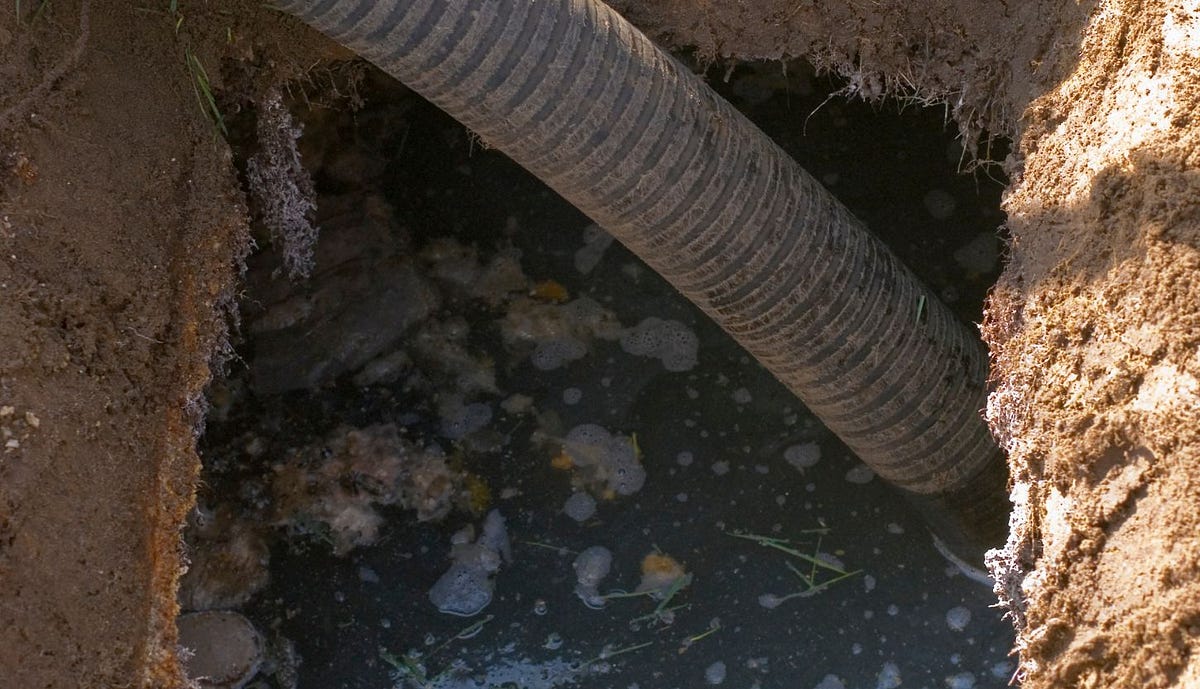
A comprehensive guide to keeping your septic tank fresh, covering regular maintenance and the best products for odor prevention.

Saturday, November 16, 2024

The Ultimate Guide to Treating and Preventing Septic Tank Odors

The Ultimate Guide to Treating and Preventing Septic Tank Odors

The Ultimate Guide to Treating and Preventing Septic Tank Odors: A Guide to Staying Fresh and Odor-Free

Letรข€™s face it, nobody enjoys the unpleasant scent of a malfunctioning septic system. Itรข€™s a situation that can make you feel embarrassed and anxious about your homeรข€™s sanitation. Luckily, you donรข€™t have to put up with these lingering odors. By understanding the root causes and implementing preventive measures, you can regain control and say goodbye to those offensive smells forever. This guide will take you step-by-step through the world of septic tank odors, from identifying the source to finding effective solutions.

Understanding the Root of the Problem: Septic Tank Odors Explained

Septic tank odors arise when the natural breakdown process within your system goes awry. Think of it like this: your septic system is a miniature ecosystem, where bacteria diligently work to break down waste. When things are running smoothly, these bacteria do their job efficiently, leaving behind a relatively odorless by-product. However, various factors can disrupt this delicate balance, leading to the release of unpleasant smells.

Common Culprits Behind Septic Tank Odors:

  • Overloading the System: Too much waste can overwhelm the bacteria's capacity, resulting in a buildup of smelly solids and an increase in gas production.
  • Insufficient Bacteria: Bacteria are the heroes of your septic system, but they can be depleted by harsh chemicals or a lack of proper nutrients. This can leave waste to decompose incompletely, creating a ripe environment for odors.
  • Leaking Pipes: Cracks or holes in pipes can allow sewage to escape, releasing foul smells into the surrounding air.
  • Blocked Drainfield: A clogged or damaged drainfield can prevent wastewater from being filtered properly, leading to a backup and the release of gases.
  • Improper Maintenance: Neglecting routine maintenance, such as septic tank pumping, can exacerbate problems and contribute to odors.

Tackling Those Unpleasant Smells: Treatment Options

Now that you understand the causes, letรข€™s dive into the solutions. Here are some strategies to effectively combat septic tank odors:

1. Septic Tank Pumping: The Essential First Step

Regular septic tank pumping is crucial to maintain proper functioning and minimize odors. The frequency depends on usage, but most systems should be pumped every 3-5 years. A full tank restricts the flow of wastewater, putting stress on the system and leading to backups and odors. Professional pumping removes the accumulated sludge and scum, giving your system a fresh start.

2. Boosting Bacterial Activity: Septic System Additives

Septic system additives, available at hardware stores, contain beneficial bacteria that enhance the decomposition process. These additives help break down waste more efficiently, reducing the build-up of odor-causing materials. Follow the manufacturerรข€™s instructions for proper dosage and application.

3. Preventing Odors with Odor Neutralizers and Deodorizers

Odor neutralizers and deodorizers provide a temporary solution to mask unpleasant smells. They work by absorbing or neutralizing the odor molecules. While they donรข€™t address the root cause, they can help freshen the air in the short term.

4. Addressing Specific Issues: Dealing With Specific Odor Sources

If your odor problem seems localized, you might need to address a specific source, such as a leaky pipe or a clogged drainfield. This may require professional assistance from a qualified plumber or septic system specialist.

Keeping Odors at Bay: Preventive Measures for a Fresh Home

The best way to deal with septic tank odors is to prevent them from happening in the first place. Here are some proactive steps to take:

1. Limit Chemical Usage: Avoiding Harsh Chemicals

Many household chemicals, such as bleach, disinfectants, and certain cleaning agents, can kill off beneficial bacteria in your septic system. Use eco-friendly, biodegradable cleaners whenever possible. This will help maintain the delicate balance of bacteria in your system and prevent odors from forming.

2. Practice Water Conservation: Reducing Load on Your Septic System

Minimize water usage wherever you can. Take shorter showers, install low-flow showerheads, and fix any leaky faucets. This reduces the amount of wastewater entering your system, easing the burden on the bacteria and preventing overloading.

3. Avoid Flushing Problematic Items: The Do's and Don'ts of Septic Systems

Not everything belongs in your septic system. Avoid flushing items like:

  • Disposable wipes: Even those labeled รข€œflushableรข€ can cause problems.
  • Paper towels: They donรข€™t break down readily and can clog your system.
  • Grease and oil: They solidify and accumulate, blocking pipes.
  • Excessive amounts of hair and lint: They can contribute to clogs.
  • Large quantities of medications: Dispose of them properly as per local regulations.

4. Regular Maintenance: Ensuring Long-Term Smooth Operation

Schedule regular septic tank pumping and inspections to catch potential problems early. A proactive approach can prevent major issues and save you money in the long run.

Commonly Asked Questions

Q: What is the best way to get rid of a strong odor from my septic system?

A: The most effective solution is to identify and address the source of the odor. This may involve septic tank pumping, adding bacterial additives, or fixing a leak. If you canรข€™t pinpoint the cause, consulting a septic system professional is a good idea.

Q: Should I use a septic tank deodorizer?

A: Deodorizers can mask smells temporarily, but they donรข€™t solve the underlying problem. Itรข€™s better to address the root cause with pumping, additives, or repairs.

Q: How often should I pump my septic tank?

A: Most septic systems should be pumped every 3-5 years. The frequency depends on your systemรข€™s size and household size. Itรข€™s always best to consult your local septic system provider for recommendations.

Q: How do I know if my drainfield is clogged?

A: Signs of a clogged drainfield include slow-draining toilets, sewage backing up into the house, or a soggy area above the drainfield. If you suspect a clog, contact a professional for inspection and repair.

With a little knowledge and proactive effort, you can effectively combat septic tank odors and enjoy a fresh-smelling home environment. Remember, taking preventative measures and addressing problems promptly will save you from unpleasant surprises and ensure your septic system operates efficiently for years to come. If you ever have any concerns, don't hesitate to reach out to a qualified septic system professional.

Share:

Thursday, November 14, 2024

How to Solve Outdoor Septic Odor Problems: Causes and Fixes

How to Solve Outdoor Septic Odor Problems: Causes and Fixes

How to Solve Outdoor Septic Odor Problems: Causes and Fixes

A pungent odor emanating from your septic system is not only unpleasant but also a sign of a potential problem. While it's natural for a septic system to have a slight earthy smell, a strong or persistent odor usually indicates something is amiss. The good news is that most septic odor problems can be addressed with a few simple fixes. Let's dive into the common causes of these odors and explore effective solutions to eliminate them.

Common Causes of Septic Odor

Understanding the root of the problem is the first step to effectively dealing with septic odors. Several factors can contribute to the unpleasant aroma, and pinpointing the culprit is key to finding the right solution:

1. Septic Tank Overflow

A full septic tank is a primary cause of odor. When the tank fills beyond its capacity, wastewater can back up into the drain field or even into your home's plumbing, releasing a foul stench.

2. Clogged Drain Field

The drain field, where treated wastewater is released into the soil, is another potential source of odor. A clogged drain field can cause wastewater to back up, leading to a foul smell. This can happen due to factors like excessive use of chemicals, tree roots encroaching on the drain field, or soil compaction.

3. Malfunctioning Septic System Components

A faulty septic tank lid, cracks in the tank itself, or a malfunctioning vent pipe can all lead to odor problems. These issues allow gases from the tank to escape into the surrounding environment, creating an unpleasant smell.

4. Poorly Maintained System

Lack of regular maintenance can significantly worsen septic odor issues. If you're neglecting regular pumping, allowing excessive grease and solids to accumulate in the tank, or not inspecting the system for problems, you're inviting trouble.

Effective Solutions to Eliminate Septic Odor

Now that you know the culprits behind septic odors, let's focus on the solutions:

1. Pump Your Septic Tank Regularly

The most important step is to have your septic tank pumped regularly. A professional service can remove the accumulated sludge and scum, preventing overflows and reducing odor. Ideally, you should have your tank pumped every 3-5 years, depending on the size of your tank and the number of occupants in your home.

2. Avoid Chemicals and Harsh Substances

Chemicals like bleach, disinfectants, and certain cleaning agents can harm the beneficial bacteria in your septic system and cause odors. Opt for eco-friendly cleaners and avoid pouring harsh substances down the drain.

3. Fix a Clogged Drain Field

If your drain field is clogged, you'll need professional help to fix it. A septic tank professional can assess the situation and recommend the most effective solution, which may involve repairing the drain field or installing a new one.

4. Inspect and Repair System Components

Regularly inspect the septic tank lid, the tank itself, and the vent pipe for any cracks or leaks. Repair any damage promptly to prevent odors from escaping.

5. Optimize Septic System Maintenance

  • Avoid flushing non-biodegradable items: Don't flush items like wipes, paper towels, and feminine hygiene products, as they can clog the system and cause odors.
  • Consider using a septic tank treatment: These treatments help break down waste and reduce odor.
  • Avoid overloading the system: Limit the amount of water used for laundry and dishwashing.
  • Inspect your drain field for tree roots: If roots are encroaching, a professional can remove them.

When to Call a Professional

While many septic odor problems can be addressed with DIY solutions, some situations require professional help. Contact a licensed septic contractor if you:

  • Notice a persistent odor despite following the above recommendations.
  • Suspect a major issue with your septic system, like a crack in the tank or a clogged drain field.
  • Have a large septic system or a complex property setup.

By following these steps, you can effectively combat septic odors and ensure your system functions smoothly. Remember, addressing the problem early will prevent further complications and ensure a cleaner and more pleasant outdoor environment.

Share:

How to Prevent Septic Tank Smells from Reaching the Inside of Your Home

How to Prevent Septic Tank Smells from Reaching the Inside of Your Home

How to Prevent Septic Tank Smells from Reaching the Inside of Your Home

The unpleasant odor of a malfunctioning septic system can quickly turn your home into an unbearable environment. While septic tanks are designed to process waste efficiently, they can sometimes generate foul smells that seep into the house. These odors are not only unpleasant but can also be indicative of a more serious underlying problem with your septic system.

Fortunately, several preventative measures can be taken to minimize the risk of septic tank smells permeating your home. By implementing these strategies, you can maintain a clean and odor-free living environment while ensuring the proper functioning of your septic system.

Understanding the Source of Septic Tank Smells

Septic tank odors arise from the breakdown of organic waste by bacteria. During this process, gases like hydrogen sulfide (rotten egg smell) and ammonia (pungent, urine-like odor) are produced. These gases can escape from the tank and travel through vents, pipes, or even cracks in the foundation, ultimately entering your home.

Common Causes of Septic Tank Smells

  • Overloading the Septic Tank: When the tank is overloaded with waste, it can lead to backups and overflow, causing the release of foul odors.
  • Failing Septic System: A malfunctioning septic system can lead to leaks or blockages, allowing odor-producing gases to escape. Common issues include clogged drainfields, leaky pipes, and faulty pumps.
  • Improper Ventilation: Inadequate ventilation can trap gases within the system, preventing their release and leading to odor buildup.
  • Dry Soil Conditions: Dry soil around the septic tank and drainfield can hinder the breakdown of waste, leading to odor production.
  • Preventative Measures to Eliminate Septic Tank Odors

    Addressing the root cause of the odor is crucial for eliminating it. Here are some effective strategies for preventing septic tank smells from reaching your home.

    1. Maintain Proper Septic Tank Usage

    Adopting responsible septic system usage practices is essential for odor control and overall system health. Here are some key points to remember:

  • Avoid Flushing Non-Biodegradable Materials: Dispose of items like wipes, paper towels, sanitary products, and medications in the trash, as they can clog the system and cause backups.
  • Minimize Water Usage: Running short showers, avoiding excessive laundry loads, and using low-flow appliances can help reduce the volume of wastewater entering the septic system.
  • Limit Grease and Oil Discharge: Grease and oil can solidify in pipes and cause clogs. Dispose of them properly to prevent clogs and odors.
  • Avoid Excessive Chemical Use: Limit the use of harsh chemicals in the bathroom and laundry, as they can disrupt the beneficial bacteria responsible for waste breakdown.
  • 2. Regular Septic Tank Inspections and Maintenance

    Proactive maintenance is key to preventing septic tank problems. Regular inspections and maintenance can detect potential issues early on and prevent them from escalating.

  • Schedule Regular Inspections: Have a professional inspect your septic system every 2-3 years to assess its condition and identify any potential issues.
  • Pump the Tank Regularly: Septic tanks need regular pumping to remove accumulated solids. The recommended frequency depends on tank size and usage but is typically every 3-5 years.
  • Inspect and Maintain the Drainfield: The drainfield plays a crucial role in filtering wastewater. Regular inspections and maintenance, such as replacing broken or damaged pipes, can ensure its proper function.
  • 3. Enhance Ventilation and Drainage

    Adequate ventilation and drainage are crucial for eliminating odor-producing gases from the septic system.

  • Check and Clean Vents: Ensure that the septic system vents are clear of obstructions and properly functioning. Regular cleaning can prevent blockages and improve ventilation.
  • Inspect and Repair Drains: Check for leaks in the septic system's drains and pipes. Repair any leaks promptly to prevent odor-causing gases from escaping.
  • Consider Installing a Vent Fan: A vent fan installed near the septic tank can provide additional ventilation and draw out any odor-producing gases.
  • 4. Address Soil Conditions

    The soil surrounding the septic tank and drainfield plays a critical role in waste breakdown and odor control.

  • Maintain Proper Soil Moisture: Avoid overwatering the area around the septic system. Keep the soil moist but not overly saturated.
  • Avoid Heavy Traffic Over the Drainfield: Heavy traffic can compact the soil, hindering drainage and increasing the risk of odors.
  • Consider Adding Soil Amendments: If the soil is excessively dry or sandy, consider adding soil amendments like compost or peat moss to improve drainage and enhance waste breakdown.
  • 5. Identify and Repair Leaks

    Leaks in the septic system can allow odor-producing gases to escape into the environment. Addressing these leaks promptly is essential for odor control.

  • Inspect Pipes and Fittings: Check all pipes, fittings, and seals for signs of leaks, such as cracks, corrosion, or loose connections.
  • Professional Leak Detection: If you suspect a leak but cannot locate it, call a professional plumber or septic system specialist to conduct a leak detection inspection.
  • Addressing Septic Tank Smells After They Appear

    If you are experiencing septic tank odors despite taking preventative measures, there are steps you can take to address the immediate problem.

    1. Identify the Odor Source

    Before taking any corrective action, it's crucial to pinpoint the source of the odor. This will help you determine the most effective solution.

  • Check for Obvious Sources: Inspect drains, vents, and floor drains for visible signs of leaks or blockages.
  • Follow the Odor Trail: Try to trace the odor back to its source by moving around the house and sniffing carefully.
  • Professional Inspection: If you cannot locate the odor source, a professional septic system specialist can conduct a thorough inspection and identify the problem.
  • 2. Temporary Odor Control Measures

    While addressing the root cause of the odor is essential, temporary odor control measures can provide relief until the issue is resolved.

  • Use Baking Soda and Vinegar: Pour a mixture of baking soda and vinegar down the drain to neutralize odors and break down grease.
  • Boil Water: Boiling water on the stovetop and pouring it down the drain can help to clear obstructions and freshen the odor.
  • Place Bowls of Baking Soda: Place bowls of baking soda strategically throughout the house to absorb odors.
  • Use Air Fresheners: While not a permanent solution, air fresheners can temporarily mask odors.
  • Professional Assistance

    If you are unable to identify the source of the septic tank odor or address the problem yourself, it is best to seek professional help from a qualified septic system specialist. These professionals have the expertise and equipment necessary to diagnose and resolve issues quickly and effectively.

    A professional septic system specialist can:

  • Conduct a thorough inspection of your system.
  • Identify any leaks, blockages, or other issues.
  • Recommend and implement the appropriate repair or maintenance solutions.
  • Provide guidance on proper septic system usage and maintenance.
  • Conclusion

    Preventing septic tank smells from reaching the inside of your home requires a combination of responsible usage, regular maintenance, and prompt action when odors appear. By implementing the strategies outlined in this article, you can minimize the risk of unpleasant odors and ensure a comfortable and healthy living environment.

    Share:

    Wednesday, November 13, 2024

    How Clogged Septic Tank Pipes Contribute to Odors

    How Clogged Septic Tank Pipes Contribute to Odors

    Clogged Septic Tank Pipes and the Genesis of Unpleasant Odors

    Septic systems are designed to efficiently process wastewater, but when their intricate network of pipes becomes obstructed, it can lead to a cascade of problems, including the unpleasant emission of foul odors. Understanding the mechanisms behind odor generation in clogged septic tank pipes is crucial for homeowners to address the issue promptly and prevent potential health risks.

    The Septic System: A Delicate Ecosystem

    A septic system is a self-contained wastewater treatment system commonly found in areas lacking access to municipal sewer lines. It comprises a septic tank, a leach field, and a network of connecting pipes. The septic tank acts as the primary treatment vessel, where solids settle to the bottom, forming sludge, while lighter liquids, known as effluent, flow into the leach field. The leach field's porous soil filters the effluent, allowing treated water to percolate into the ground.

    Clogs: The Culprit Behind Septic System Odors

    Clogs in septic tank pipes can occur due to various factors, including:

    • Grease and Oil Buildup: Fats and oils from cooking and other household activities solidify in pipes, creating a sticky residue that traps other debris.
    • Hair and Other Solids: Hair from showers, lint from laundry, and food particles can accumulate in pipes, restricting water flow.
    • Tree Roots: Invasive tree roots can penetrate pipe joints, creating blockages and disrupting the system's function.
    • Sediment Accumulation: Over time, sediment from wastewater can settle and accumulate in pipes, narrowing their diameter and hindering flow.
    • Improper Installation or Maintenance: Faulty pipe installation or inadequate maintenance practices can contribute to clogs.

    How Clogs Generate Unpleasant Odors

    When septic tank pipes become clogged, the following processes contribute to the release of foul odors:

    Anaerobic Decomposition

    Septic tanks rely on anaerobic bacteria to break down wastewater. However, clogs disrupt the natural flow, creating stagnant areas where oxygen is scarce. This anaerobic environment fosters the growth of different bacteria that produce pungent sulfur-containing compounds like hydrogen sulfide, responsible for the characteristic "rotten egg" smell.

    Backflow and Overflow

    Clogs impede the flow of wastewater, causing it to back up into the septic tank. This buildup creates pressure, pushing wastewater through less resistant pathways, such as vent pipes or drain lines. The pressurized effluent, laden with odorous compounds, escapes into the surrounding environment, creating unpleasant smells.

    Effluent Leakage

    When clogs are severe enough, they can cause wastewater to overflow from the septic tank or leach field. This leakage releases untreated wastewater, laden with odorous compounds, into the surrounding soil and air, leading to a pervasive stench. This situation poses health risks, as it contaminates the environment and can attract pests.

    Recognizing the Signs of Clogged Septic Tank Pipes

    Recognizing the early signs of clogged septic tank pipes is crucial to prevent odor issues from escalating. Common indicators include:

    • Slow Draining: Noticeably slower water drainage in sinks, toilets, and showers can signal a blockage.
    • Gurgling Sounds: Unusual gurgling or bubbling noises from drains indicate air being trapped due to restricted flow.
    • Sewage Backups: Wastewater backing up into fixtures or appearing on the ground near the septic system points to a serious clog.
    • Foul Odors: The presence of unpleasant, rotten egg-like smells emanating from drains or around the septic tank is a telltale sign of a blockage.

    Mitigation and Prevention: Addressing Clogged Septic Tank Pipes

    Addressing clogged septic tank pipes requires professional intervention. A qualified plumber can diagnose the problem and utilize appropriate techniques to clear the blockage. However, preventative measures are essential to minimize the risk of clogs:

    Preventative Maintenance

    Regularly pumping the septic tank removes accumulated sludge and prevents overflow, reducing the likelihood of clogs. It is recommended to schedule a professional pump-out every 3 to 5 years, depending on usage.

    Avoid Pouring Fats and Oils

    Dispose of grease and oil properly by allowing them to cool in a container and discarding them in the trash. Avoid pouring them down the drain, as they can solidify and cause clogs.

    Minimize Use of Chemical Drain Cleaners

    Harsh chemical drain cleaners can damage septic system components and disrupt the delicate balance of bacteria responsible for wastewater treatment. Opt for natural drain cleaners or mechanical methods to clear minor clogs.

    Be Mindful of Toilet Waste

    Avoid flushing non-biodegradable items down the toilet, such as disposable wipes, paper towels, and cotton balls. These items can accumulate and lead to clogs.

    Tree Root Management

    Maintain a buffer zone around the septic system and remove trees that could potentially send roots into the pipes. Consider consulting with a certified arborist for tree removal or root management techniques.

    Conclusion

    Clogged septic tank pipes can lead to unpleasant odors and pose health risks. Understanding the mechanisms behind odor generation and implementing preventative measures are essential to maintain a functional and odor-free septic system. Regular maintenance, responsible waste disposal, and professional interventions when necessary are crucial for ensuring a safe and healthy home environment.

    Share:

    How to Reduce the Smell of Sewage from Your Septic Tank

    How to Reduce the Smell of Sewage from Your Septic Tank

    How to Reduce the Smell of Sewage from Your Septic Tank

    A septic tank is a crucial part of your home's wastewater system, responsible for breaking down and treating sewage. While it generally operates silently and efficiently, occasionally, unpleasant odors may emanate from your septic system, indicating potential problems. These smells can be a nuisance and even a health hazard, making it essential to address the issue promptly. This article provides a comprehensive guide to understanding the causes of septic tank odor and outlines effective solutions to minimize or eliminate them.

    Causes of Septic Tank Odors

    Septic tank odors arise due to various factors, and pinpointing the source is crucial for effective solutions. Common causes include:

    1. Overflowing Septic Tank

    When the septic tank becomes overloaded with wastewater, the solid waste cannot settle properly, leading to a build-up of sludge and scum at the surface. This anaerobic decomposition process releases foul-smelling gases that can escape into the surrounding environment.

    2. Clogged Drainfield

    The drainfield, also known as a leach field, is responsible for filtering wastewater from the septic tank. A clogged drainfield prevents the proper drainage of treated wastewater, forcing it to back up into the septic tank and potentially causing an overflow.

    3. Defective Septic Tank Components

    Cracks, leaks, or malfunctions in the septic tank or its components, such as the lid, baffles, or outlet pipe, can allow sewage to escape and release unpleasant odors.

    4. Inadequate Ventilation

    Proper ventilation of the septic tank is crucial to prevent the buildup of harmful gases. If the vent pipe is blocked or inadequate, odors can be forced out through other openings.

    5. Improper Use of the Septic System

    Misuse of the septic system can contribute to odor problems. Using excessive amounts of water, flushing non-biodegradable materials, or dumping chemicals down the drain can disrupt the bacterial balance and create foul-smelling conditions.

    Solutions to Reduce Septic Tank Odors

    Addressing the underlying causes is essential to eliminate septic tank odors effectively. Here are some practical steps:

    1. Regular Septic Tank Maintenance

    The cornerstone of a well-functioning septic system is regular maintenance. A professional septic tank inspection and pumping every 3-5 years is recommended to remove accumulated sludge and scum. Regular maintenance helps prevent overflows and keeps the system operating efficiently.

    2. Inspecting the Drainfield

    A clogged drainfield is a common culprit for septic tank odors. Inspect the drainfield for any signs of saturation, standing water, or vegetation growth. If you suspect a clog, a professional septic system inspector can assess the drainfield and recommend necessary repairs or replacement.

    3. Repairing or Replacing Defective Components

    Any cracks, leaks, or damaged components in the septic tank or its associated plumbing must be repaired or replaced promptly. A professional plumber can diagnose and fix these issues, ensuring proper operation and preventing odor leakage.

    4. Ensuring Adequate Ventilation

    Check the septic tank's vent pipe for blockages or damage. Ensure the vent pipe is properly installed and extends above the roofline to allow adequate ventilation. If needed, clear any blockages or replace the vent pipe.

    5. Adjusting Septic System Usage

    Avoid overloading the septic system with excessive water use. Opt for water-saving appliances and avoid flushing non-biodegradable items like wipes, paper towels, or food waste. This will prevent the accumulation of solids and minimize the potential for odors.

    6. Using Septic Tank Additives

    Septic tank additives contain bacteria and enzymes that break down waste and promote a healthier environment within the tank. These additives can be helpful in controlling odors and maintaining optimal performance, but it's important to choose additives specifically designed for septic systems and follow the manufacturer's instructions.

    7. Utilizing Odor Neutralizers

    While not a long-term solution, odor neutralizers can temporarily mask unpleasant smells. These products are available in various forms, including sprays, granules, and blocks. However, it's crucial to address the underlying cause of the odor rather than simply masking it.

    Preventing Septic Tank Odors

    Maintaining a well-functioning septic system is key to preventing odors in the first place. Here are some preventative measures:

  • Regular Maintenance: Schedule regular septic tank inspections and pumpings to prevent sludge buildup and potential overflows.
  • Proper Water Usage: Minimize excessive water use by opting for water-saving appliances and avoiding flushing non-biodegradable items.
  • Avoid Chemicals: Avoid pouring harsh chemicals, such as bleach or drain cleaners, down the drain, as they can kill beneficial bacteria in the septic tank and disrupt its functionality.
  • Maintain Landscaping: Keep the drainfield area free of vegetation, heavy traffic, and construction activities to ensure proper drainage and prevent clogging.
  • Educate Household Members: Inform all household members about proper septic system usage to prevent accidental clogs and maintain a healthy environment.
  • Conclusion

    Septic tank odors are a common issue that can be effectively addressed with proper care and attention. Understanding the underlying causes and implementing the solutions outlined above can help you eliminate or minimize unpleasant smells from your septic system. Regularly maintaining your septic tank, ensuring adequate ventilation, and utilizing appropriate cleaning and maintenance practices are key to preventing odors and promoting a clean and healthy living environment.

    Share:

    How to Eliminate Septic Tank Smells Using Natural Remedies

    How to Eliminate Septic Tank Smells Using Natural Remedies

    How to Eliminate Septic Tank Smells Using Natural Remedies

    Ugh, that septic tank smell! It's like a phantom odor that seems to linger in the air, no matter how much you clean. It can be embarrassing, especially when guests come over. But don't despair! You don't have to resort to harsh chemicals or expensive solutions. There are plenty of natural remedies that can help you get rid of those pesky septic tank smells.

    Here's the deal: septic tank smells happen when bacteria break down waste in your tank, releasing unpleasant gases. These gases can escape into the air, leading to that pungent aroma that can be quite the nuisance. But don't worry, we're going to tackle this together!

    Let's dive into some tried-and-true natural remedies that can help you banish those pesky septic tank smells and keep your home smelling fresh and clean.

    1. Baking Soda and Vinegar: The Dynamic Duo

    We've all heard of baking soda and vinegar as kitchen cleaning superstars, but did you know they're also a powerful weapon against septic tank smells? The magic lies in their chemical reaction.

    Pour about a cup of baking soda down your drain and follow it up with a cup of vinegar. The fizzing action helps to loosen up any debris clogging your pipes, and it also neutralizes odors. Let the mixture sit for about 30 minutes, then flush with plenty of water.

    This method works best for minor odor issues. For more persistent smells, you might want to try a more intense approach.

    2. Borax: The Odor-Eating Wonder

    Borax is a natural mineral that has been used for centuries as a cleaning agent and odor eliminator. It's also surprisingly effective against septic tank smells.

    Here's how to use it: Sprinkle about a cup of borax down your drain, followed by a gallon of boiling water. Let it sit for a few hours, then flush with plenty of water. The borax will break down any organic matter and neutralize the odors. You can repeat this treatment every week or so, or whenever you notice a strong smell.

    Just a word of caution: Borax can be irritating to the skin, so wear gloves when handling it. Also, make sure to keep it away from children and pets.

    3. Citrus Peels: A Fresh and Fruity Solution

    Want to add a touch of citrus freshness to your septic tank odor battle? Citrus peels are a natural odor-absorbing agent. You can simply toss them down the drain to help mask those unpleasant smells. Or, try adding a few drops of essential oils like lemon, grapefruit, or orange to a spray bottle filled with water and use it to mist the air around your septic tank system.

    However, it's important to note that citrus peels might not be the best solution for all septic tanks, especially older ones. If you have an older septic system, you might want to ask your local plumber for advice.

    4. Coffee Grounds: A Natural Deodorizer

    Coffee grounds can be a surprisingly effective way to deodorize your septic tank. They act as a natural absorbent and can help to neutralize those pungent smells.

    Simply pour a cup or two of used coffee grounds down the drain. This will create a barrier between the odor and your home, making it less noticeable.

    While you're at it, consider adding those grounds to your compost pile. It's a win-win!

    5. Activated Charcoal: The Odor-Absorbing Superpower

    Activated charcoal is a highly porous material that has an incredible ability to absorb odors and toxins. It's a popular remedy for everything from gas and bloating to smelly shoes.

    Here's how to use activated charcoal for your septic tank:

    1. Crush a few charcoal tablets into a fine powder. 2. Pour the powder down the drain and flush with water. 3. The charcoal will bind to the odor molecules and help eliminate them.

    It's a simple trick, but it works! You can also use charcoal filters in your septic tank system to help absorb odors and keep the system clean.

    6. Aeration: Giving Your Septic System Some Fresh Air

    A well-aerated septic system is less likely to produce those nasty odors. You can encourage aeration by ensuring that the vent pipe is clear and unobstructed. If you have a vent pipe that's near your house, consider using a vent pipe deodorizer to prevent odors from entering your home.

    You can also use a septic tank aerator to help keep the bacteria in your tank happy and healthy. These aerators work by injecting air into the tank, which helps to break down waste more efficiently and reduces the amount of gases that are released.

    While they're typically used in larger, commercial septic systems, smaller aerators can also be used in residential systems.

    7. Regular Maintenance: The Key to Preventing Odors

    Okay, so we've talked about some quick fixes, but the best way to combat those septic tank smells is to practice regular maintenance. Just like any other system in your home, your septic tank needs some TLC.

    Here are a few essential maintenance tasks that will keep your tank in tip-top shape and prevent those nasty smells:

    Pump It Up

    Your septic tank needs to be pumped out regularly to remove the sludge that builds up at the bottom. How often you need to pump depends on the size of your tank and the amount of water you use. It's a good idea to have your tank pumped every 3-5 years. A qualified septic tank technician can help you determine the best schedule for your situation.

    Avoid Clogging

    Septic systems can get clogged with things like grease, hair, and other non-biodegradable materials. These clogs can slow down the flow of waste and lead to odor problems.

    Here are some tips to avoid clogging your septic system:

    • Use a garbage disposal sparingly.
    • Don't flush anything down the toilet that shouldn't go there, like baby wipes, feminine hygiene products, or paper towels.
    • Avoid pouring grease or oil down the drain.
    • Use septic tank-safe cleaning products whenever possible.

    By following these tips, you can keep your septic system running smoothly and avoid those nasty smells.

    8. The Power of Observation: Identifying the Source of the Smell

    The first step in fighting those septic tank smells is to identify the source. Where is the smell strongest? Is it coming from your bathroom, kitchen, or laundry room?

    Once you know where the smell is coming from, you can focus your efforts on fixing the problem.

    If the smell is strongest near your septic tank, then you might need to pump your tank or have a technician inspect it for any leaks or other problems.

    When to Call a Professional

    Sometimes, even after trying all the natural remedies, those stubborn septic tank smells persist. If you notice any of the following, it's best to call a professional:

    • The smell is strong and persistent, even after trying natural remedies.
    • You've had your septic tank pumped recently, but the smell hasn't gone away.
    • You suspect a leak or other problem with your septic system.
    • You have a backup or blockage in your system.

    A qualified septic tank technician can diagnose the problem and recommend the best solution.

    Battling those pesky septic tank smells can feel like an uphill battle, but remember, there are effective natural remedies you can try. With some patience and a little effort, you can eliminate those odors and enjoy a fresh-smelling home.

    Share:

    How to Solve Septic Tank Odors with Professional Help

    How to Solve Septic Tank Odors with Professional Help

    How to Solve Septic Tank Odors with Professional Help

    That funky smell wafting from your yard? Yeah, that's not exactly a pleasant experience, is it? We're talking about septic tank odors, and they can be a real pain in the... well, you know. Let's be honest, those smells are a clear sign that something's amiss with your septic system. But don't panic! There are solutions, and while you can try some DIY fixes, sometimes professional help is the key to finally banishing those stinky intruders.

    Why Are You Smelling Septic?

    Okay, let's get down to the nitty-gritty. Septic tank odors happen when the system isn't working as it should. The culprits could be:

    • A Full Tank: Think of your septic tank like a giant container. When it's full, it's like trying to fit another gallon of milk into a full refrigerator รข€" something's gotta give! The pressure from the full tank can force those less-than-pleasant smells out through vents or even cracks in the system.
    • A Clogged Drainfield: Your drainfield is like the septic system's lungs. It filters and absorbs the wastewater. If it gets clogged, those smelly gases have nowhere to go but up!
    • A Broken Vent: Remember that vent pipe on your roof? It's a critical part of the system, allowing gases to escape safely. If the vent is blocked or broken, those odors will be trapped and find their way to your nose.
    • A Leaky Tank or Pipe: Think of your septic system like a giant plumbing network. If there's a leak, that nasty stuff can seep out and cause those unwanted odors.
    • Improper Use: Yes, even what goes down the drain can contribute to problems. Flushing things like coffee grounds, grease, or disposable wipes can contribute to clogging and odors.

    When to Call in the Professionals

    You've tried some DIY solutions, but the smell persists. Time to call in the big guns. A septic system professional is your best bet for tackling those odors. Here's why:

    • Expertise: They've seen it all! Septic professionals are trained to diagnose and repair issues that are causing those odors.
    • Specialized Equipment: They have the tools and equipment needed for inspections, pumping, and repairs. It's not just a simple sniff test!
    • Safety: Working with septic systems can be tricky. Professionals understand safety protocols and can do the work without causing any damage or potential health hazards.

    What to Expect When You Call a Professional

    The first thing they'll do is assess your system. They'll look at the tank, the drainfield, the vent pipes, and your plumbing. They'll likely ask questions about your usage habits to understand the situation better.

    Based on their findings, they'll recommend solutions. Here are some things they might do:

    • Pumping: The tank might just need to be emptied! This is a fairly common procedure for maintaining your septic system.
    • Drainfield Repair or Replacement: If the drainfield is clogged or damaged, they may need to repair or replace it. This can be a more involved and costly solution, but it's essential for a healthy system.
    • Vent Pipe Inspection and Repair: They'll check your vent pipe to ensure it's clear and functional. If there's a problem, they'll fix it.
    • Leak Detection and Repair: If there's a leak, they'll need to pinpoint its location and repair it to prevent further problems.
    • Advice and Education: Don't be afraid to ask questions! They can provide you with valuable tips on how to maintain your system and prevent future issues.

    Tips for Preventing Future Odors

    Now that you've tackled the smelly situation, it's time to learn how to prevent it from happening again. Here are some tips:

    • Regular Maintenance: Pump your tank every 3-5 years (or more often if you have a large household). Don't wait for the odors to reappear!
    • Be Mindful of What You Flush: Remember, your septic system is not a garbage disposal! Avoid flushing things like coffee grounds, grease, disposable wipes, and feminine hygiene products. They can clog your pipes and create those unwelcome odors. Stick to flushing only toilet paper and human waste.
    • Use Septic System-Safe Products: There are specially formulated products designed for septic systems. These can help break down waste, prevent odors, and keep your system healthy.
    • Avoid Heavy Landscaping Over the Drainfield: Your drainfield needs to breathe! Avoid planting large trees or shrubs over it, as their roots can damage the system.

    Conclusion

    Dealing with septic tank odors is not a fun experience, but with the right professional help, you can get rid of those smelly intruders for good. Remember, regular maintenance is key to preventing future problems. By following these tips, you can keep your septic system running smoothly and your home smelling fresh and inviting. And if you do find yourself facing those stubborn odors again, don't hesitate to call in the pros! They have the expertise and experience to help you get back on track.

    Share:

    Search This Blog

    Powered by Blogger.

    Pages