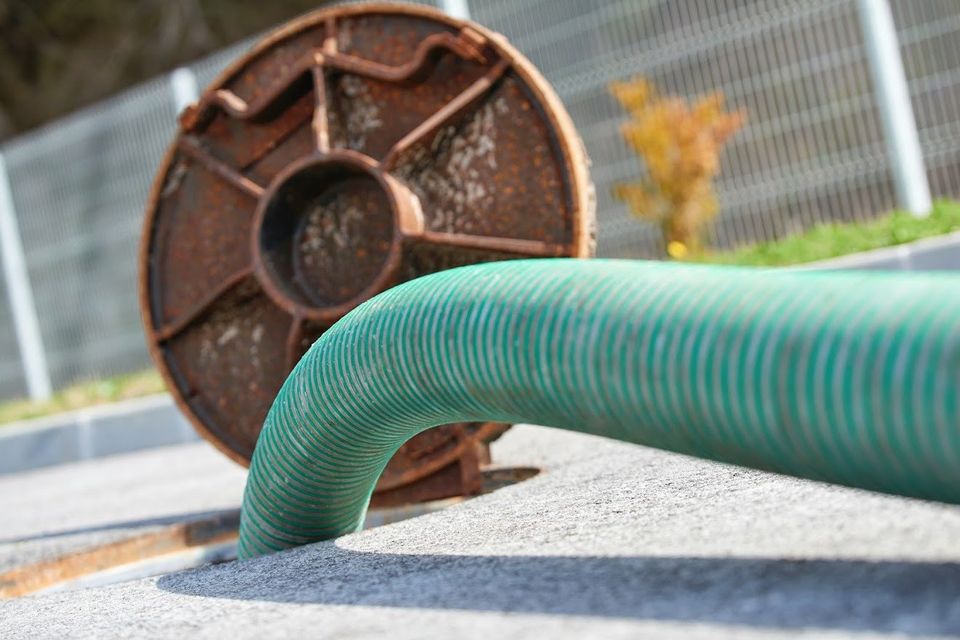
A comprehensive guide to keeping your septic tank fresh, covering regular maintenance and the best products for odor prevention.

Wednesday, November 20, 2024

The Link Between Plumbing Problems and Septic Tank Odors

The Link Between Plumbing Problems and Septic Tank Odors

The Unseen Connection: Plumbing Issues and Septic Tank Odors

The unpleasant aroma of sewage is rarely a welcome visitor to any home. While the immediate culprit might seem to be the septic tank itself, a closer examination often reveals a complex interplay between plumbing problems and the emanation of these offensive odors. Understanding this intricate relationship is crucial for effective troubleshooting and preventative maintenance, ensuring a healthy and comfortable living environment. This article delves into the multifaceted connection between plumbing malfunctions and septic tank odors, exploring the various pathways through which these issues can intertwine and offering practical solutions for remediation.

The Septic System: A Brief Overview

Before examining the link between plumbing and septic odors, a fundamental understanding of the septic system's operation is necessary. A septic system is a decentralized wastewater treatment system commonly used in areas lacking access to a centralized sewer network. It consists of several key components working in concert:

  • Septic Tank: This underground tank receives wastewater from the home. Solids settle at the bottom, forming sludge, while lighter materials rise to the top as scum. Anaerobic bacteria within the tank break down the organic matter.
  • Drainfield (or Leach Field): This is a network of perforated pipes buried in gravel. The treated effluent from the septic tank flows into the drainfield, allowing for further filtration and absorption into the surrounding soil.
  • Distribution Box: This component evenly distributes the effluent from the septic tank to the various lines within the drainfield, preventing overloading of any one area.

The proper functioning of each component is paramount. Any disruption in this carefully balanced system can lead to a variety of problems, including the release of unpleasant odors.

Plumbing Malfunctions as Precursors to Septic Odors

While a failing septic system is a common cause of sewer smells, often the root issue lies within the home's plumbing infrastructure. Several plumbing problems can contribute directly or indirectly to septic tank odor issues:

1. Clogged Drains and Pipes

Clogged drains, particularly those leading to the septic tank, create a significant impediment to the smooth flow of wastewater. This blockage leads to a backup of wastewater, forcing it to seek alternative pathways, often through vents and other openings, leading to the release of foul-smelling gases. The buildup of organic matter within the clogged pipes also accelerates the decomposition process, further intensifying the odor.

2. Issues with Vents and Ventilation

Proper ventilation is crucial for the effective functioning of a plumbing system. Vents allow for the release of gases generated during the wastewater decomposition process. If vents are blocked, damaged, or improperly installed, pressure within the plumbing system can build up, forcing sewage back up through drains and fixtures, causing odors to escape into the living space. This backpressure can also contribute to drain clogs, creating a vicious cycle.

3. Leaking Pipes and Joints

Leaks in pipes and joints are another significant source of septic odors. Even small leaks can allow wastewater to seep into the surrounding soil, contaminating the ground and creating an environment conducive to the proliferation of odor-producing bacteria. These leaks can also weaken the structural integrity of the pipes, eventually leading to more serious problems and more extensive leaks.

4. Problems with Plumbing Fixtures

Malfunctioning plumbing fixtures, such as toilets, sinks, and showers, can contribute to septic system problems. A running toilet, for example, constantly introduces excessive water into the system, potentially overloading the septic tank and causing backups. Similarly, faulty drain traps can allow sewer gases to escape into the home.

The Interplay of Plumbing and Septic System Failure

Plumbing malfunctions often exacerbate pre-existing problems within the septic system. For instance, a partially clogged drainfield, already struggling to handle the wastewater load, can be completely overwhelmed by a sudden increase in flow caused by a burst pipe or a clogged main line. This overloading leads to a buildup of wastewater within the tank, pushing wastewater out through cracks or other openings, resulting in the pervasive odor of sewage.

Conversely, a poorly maintained septic tank can indirectly contribute to plumbing issues. A tank filled to capacity with sludge will reduce its effective capacity, increasing the likelihood of backups and overflows. This overflow can then back up into the plumbing system, causing clogs and leading to the release of foul-smelling gases.

Diagnosing the Source of the Odor

Determining the precise cause of septic odors requires a systematic approach. It is crucial to understand that simply addressing the smell is not enough; the underlying cause must be identified and rectified. A multi-pronged approach is often necessary:

  • Visual Inspection: Carefully examine all visible plumbing fixtures and pipes for leaks, clogs, or other signs of damage.
  • Drain Testing: Use a plumber's snake or other tools to check for blockages in drains and pipes.
  • Septic Tank Inspection: A professional septic system inspection will assess the tank's capacity, sludge level, and overall condition. This often involves pumping out the tank and assessing the drainfield's performance.
  • Professional Plumbing Inspection: A licensed plumber can identify leaks, damaged pipes, and other plumbing-related issues contributing to the problem.

Remediation and Preventative Measures

Addressing septic tank odors requires a comprehensive approach that tackles both plumbing and septic system issues. Solutions can range from simple fixes like unclogging drains to more complex repairs involving pipe replacement or septic tank pumping.

  • Regular Maintenance: Regular septic tank pumping is crucial to prevent sludge buildup and maintain proper system functioning. This should be done every 3-5 years, depending on household size and wastewater usage.
  • Preventative Plumbing Maintenance: Regular inspection and maintenance of plumbing fixtures and pipes can prevent clogs and leaks, significantly reducing the risk of septic odors.
  • Proper Waste Disposal: Avoid flushing inappropriate materials down the toilet, as these can contribute to clogs and system failure.
  • Professional Assistance: For complex issues or situations requiring specialized expertise, always consult with licensed plumbers and septic system professionals.

In conclusion, the connection between plumbing problems and septic tank odors is often intricate and requires careful investigation. Addressing the underlying plumbing issues is frequently crucial for effectively mitigating and preventing the emission of unpleasant sewer gases. A proactive approach incorporating regular maintenance, proper waste disposal practices, and prompt professional intervention when necessary is vital for maintaining a healthy and odor-free living environment.

Share:

Tuesday, November 19, 2024

How I Used Ventilation to Stop Septic Tank Smells from Coming Inside

How I Used Ventilation to Stop Septic Tank Smells from Coming Inside

Mitigating Septic Tank Odors Through Optimized Ventilation Strategies

The intrusion of unpleasant septic tank odors into a habitable structure is a significant and often distressing problem. While a malfunctioning septic system necessitates professional intervention, the pervasive nature of these odors often necessitates a multifaceted approach to remediation. This article details my experience in successfully combating persistent septic tank smells through the strategic implementation and optimization of ventilation systems. The focus will be on the principles of airflow management, identifying odor sources, and implementing both passive and active ventilation strategies to achieve a consistently odor-free environment.

Understanding the Root Cause of Septic Odors

Before embarking on any remediation efforts, a comprehensive understanding of the source of the odor is paramount. Septic tank odors are primarily composed of volatile organic compounds (VOCs) produced by the anaerobic decomposition of organic matter within the tank. These gases, including hydrogen sulfide (H2S), methane (CH4), and various mercaptans, are not only unpleasant but can also pose health risks at elevated concentrations. The escape of these gases into the living space is typically facilitated by pressure differentials between the septic tank and the interior environment.

Identifying Potential Pressure Differentials

Pressure differentials are commonly caused by:

  • Stack Effect: The natural buoyancy of warm, less dense air within the home creates an upward pressure gradient, drawing in cooler, denser air from surrounding areas, including the septic system if pathways exist.
  • Wind Pressure: Strong winds can create significant pressure variations across the building envelope, potentially forcing air from the septic system into the structure through leaks or inadequately sealed penetrations.
  • Mechanical Ventilation: The operation of exhaust fans, HVAC systems, or other mechanical ventilation equipment can induce negative pressure within the house, drawing in air from external sources, including the septic tank if a pathway is available.
  • Plumbing System Leaks: Leaks in drain lines, vent pipes, or other plumbing components associated with the septic system can provide direct pathways for odoriferous gases to enter the building.

Passive Ventilation Strategies: Harnessing Natural Airflow

Passive ventilation leverages natural air pressure differentials and wind currents to remove odors without the use of mechanical equipment. While effective in many cases, passive strategies are often insufficient to completely eliminate persistent septic odors and require careful design and implementation. My experience highlighted the importance of the following considerations:

Optimizing Septic Tank Venting

The septic tank itself must be adequately vented to prevent the buildup of pressure and the subsequent escape of gases. A properly sized and appropriately located vent pipe is crucial. I confirmed that my vent pipe was unobstructed, extended to a sufficient height above ground level (to avoid back drafting), and was properly sealed to prevent leaks. Furthermore, ensuring the vent pipe terminated at a safe distance from windows or other openings in the house minimized the chance of odor infiltration. I also checked for any blockages within the vent stack itself.

Improving Building Envelope Airtightness

Addressing potential pathways for odor infiltration from the septic system is critical. This involved a thorough inspection of the building envelope for cracks, gaps, or other penetrations around pipes and conduits that might allow the passage of gases. I sealed all identified gaps with appropriate sealant, paying particular attention to areas near the foundation and plumbing penetrations. This significantly reduced the amount of external air being drawn into the house.

Strategic Placement of Air Vents

The strategic placement of air vents within the house can further enhance passive ventilation. By creating a deliberate airflow pathway, the passive system can efficiently draw stale, odor-laden air away from the problem area and replace it with fresh, clean air. In my case, opening windows strategically during periods of favorable wind direction was helpful, although this is naturally only feasible under suitable weather conditions.

Active Ventilation Strategies: Implementing Mechanical Assistance

Despite implementing extensive passive ventilation measures, persistent odors occasionally persisted, indicating the need for active ventilation. This involved incorporating mechanical ventilation systems to assist in the removal of odoriferous gases.

Exhaust Fans and Ventilation Systems

I strategically installed exhaust fans in areas where odor concentration was most noticeable. These fans were carefully positioned to draw air away from potential entry points of septic gases and direct it towards the exterior. Moreover, incorporating these fans into a larger whole-house ventilation system was deemed most efficient. Properly sized ductwork was crucial for ensuring efficient air movement, preventing the recirculation of odors, and maintaining an even distribution of air pressure within the building. I ensured regular maintenance of the system, including filter changes and checks for clogs, to maintain optimal performance.

Negative Pressure Considerations

A key consideration when implementing active ventilation is the avoidance of excessive negative pressure within the home. Excessive negative pressure can draw air from the septic system more forcefully, counteracting the intended effect. By carefully balancing the exhaust capacity of the fans with the overall air intake, I ensured that a slight positive pressure was maintained within the building, preventing backdrafting and odor infiltration.

Monitoring and Maintenance

The success of any ventilation strategy relies heavily on ongoing monitoring and maintenance. Regularly checking the ventilation systems for proper functioning is crucial. This includes:

  • Inspecting vent pipes for blockages or damage.
  • Testing exhaust fan performance and replacing filters as needed.
  • Monitoring air pressure differentials within the building.
  • Regularly assessing the presence of odors to detect any recurrence or change in odor intensity.

Addressing septic tank odors through ventilation requires a thorough understanding of the underlying causes and a comprehensive approach encompassing both passive and active strategies. By meticulously identifying and sealing potential entry points, optimizing natural airflow patterns, and implementing strategic mechanical ventilation, I successfully mitigated the intrusion of unpleasant odors into my home, creating a comfortable and healthy living environment. Remember that this approach represents a solution specific to my circumstances. A thorough assessment of your specific situation is necessary before implementing any ventilation improvements.

Share:

Sunday, November 17, 2024

Why Do Septic Tank Smells Seem Stronger at Night? Here's Why

Why Do Septic Tank Smells Seem Stronger at Night? Here's Why

Why Do Septic Tank Smells Seem Stronger at Night? Here's Why

Have you ever noticed that the odor from your septic tank seems more potent at night? You're not alone. Many homeowners find themselves battling a strange, unpleasant scent that seems to amplify as the sun sets. While it can be a source of frustration and worry, there's a perfectly logical reason why this happens.

The Role of Temperature

One of the main culprits behind the intensified nighttime smells is the drop in temperature. As the air cools down at night, it becomes denser. This denser air traps odors, making them linger longer and become more pronounced. Think of it like a blanketâ€"the cooler air acts as a blanket, holding the smells closer to the ground and preventing them from dissipating as quickly.

The Impact of Humidity

Another key factor is humidity. During the day, the sun's warmth can evaporate moisture, reducing the humidity level. However, as the sun goes down, the air cools, and the humidity level rises. This increase in humidity can make the smells more noticeable, as water molecules tend to hold onto odor particles.

Air Movement and Ventilation

Air movement plays a significant role in odor dispersion. During the day, breezes and wind currents help to carry odors away from your home. But at night, when the wind typically calms down, air movement is reduced. This lack of airflow can trap odors near your home, making them more concentrated and noticeable.

Possible Issues With Your Septic System

While temperature, humidity, and air movement are primary factors, a more serious issue could be at play. If you experience a strong, persistent odor even during the day, it could indicate a problem with your septic system. Here are some potential causes:

Overloading Your Septic System

When your septic tank becomes overloaded, it can't properly break down wastewater, leading to a build-up of odor-causing bacteria. This can result in unpleasant smells, even during the day.

Clogged Drain Field

A clogged drain field prevents wastewater from properly draining away from your septic tank. This can lead to a back-up of wastewater, creating a strong and persistent odor.

Septic Tank Vent Problems

Your septic tank's vent pipe is responsible for releasing gases that build up during the wastewater treatment process. If the vent becomes blocked or damaged, these gases can escape into your home, causing unpleasant smells.

What You Can Do

If you're dealing with strong septic tank smells, especially at night, take the following steps:

  • Regularly pump your septic tank: A full septic tank is more likely to produce odors. Schedule regular pumping to avoid overloading the system.
  • Check for leaks: Look for leaks in your plumbing system, which can lead to wastewater entering your home and causing odor problems.
  • Ensure proper ventilation: Make sure your septic tank's vent pipe is clear and functioning properly. This will help to prevent odors from escaping into your home.
  • Consider using odor-absorbing products: There are various products available that can help absorb odors and create a more pleasant scent around your home.
  • Call a professional: If you suspect a problem with your septic system, contact a qualified professional for an inspection and repair.

By understanding the factors that contribute to intensified nighttime smells and taking proactive measures, you can minimize odors and enjoy a more comfortable and pleasant living environment.

Share:

Can Septic Tank Smells in the House Cause Respiratory Issues?

Can Septic Tank Smells in the House Cause Respiratory Issues?

Septic Tank Smells in the House: A Potential Respiratory Health Hazard?

The presence of a septic tank smell in your home can be unpleasant, but it can also signal a potentially serious health concern. While the occasional whiff of sewer gas might not be alarming, a persistent or strong odor could indicate a problem with your septic system and expose you to harmful gases that can affect your respiratory health.

Understanding Septic Tank Smells

Septic tank smells are primarily caused by the release of gases produced during the decomposition of organic matter in the septic tank. These gases, often referred to as sewer gas, include:

  • Hydrogen sulfide (H2S): This colorless, flammable gas has a characteristic rotten egg smell. It is highly toxic and can cause respiratory problems, including irritation, coughing, and even pneumonia. In high concentrations, it can be fatal.
  • Methane (CH4): Methane is a colorless, odorless, and flammable gas. It is a significant greenhouse gas and can be explosive in high concentrations. While it is less toxic than hydrogen sulfide, it can contribute to respiratory irritation.
  • Ammonia (NH3): Ammonia is a colorless gas with a pungent, choking odor. It is irritating to the eyes, nose, and throat, and can cause respiratory distress.
  • Carbon dioxide (CO2): While carbon dioxide is not toxic in low concentrations, it can displace oxygen in the air, leading to asphyxiation in enclosed spaces.

These gases can seep into your home through cracks in the foundation, plumbing vents, or even poorly sealed drains. The presence of these gases, particularly hydrogen sulfide, can significantly impact your respiratory health.

Respiratory Issues Associated with Septic Tank Smells

Exposure to sewer gas can trigger a range of respiratory problems, including:

  • Irritation: The pungent and irritating nature of sewer gas can cause irritation of the eyes, nose, and throat. This can lead to coughing, sneezing, and a scratchy feeling in the throat.
  • Asthma Exacerbation: For individuals with asthma, exposure to sewer gas can trigger an asthma attack, leading to difficulty breathing, wheezing, and chest tightness.
  • Pneumonia: In severe cases, prolonged exposure to hydrogen sulfide can cause pneumonia, an inflammation of the lungs that can be life-threatening.
  • Chronic Obstructive Pulmonary Disease (COPD): While not directly causing COPD, exposure to sewer gas can exacerbate existing COPD symptoms and make it harder to breathe.
  • Upper Respiratory Infections: The presence of bacteria and viruses in sewer gas can contribute to the development of upper respiratory infections, such as colds and flu.

Factors Influencing Respiratory Impact

The severity of respiratory problems from septic tank smells depends on several factors, including:

  • Concentration of Gases: Higher concentrations of sewer gas pose a greater risk to respiratory health.
  • Duration of Exposure: Prolonged exposure to sewer gas is more likely to lead to health problems compared to brief exposures.
  • Individual Sensitivity: Some individuals are more sensitive to the effects of sewer gas than others, potentially due to pre-existing respiratory conditions.

Diagnosing Respiratory Problems Related to Septic Tank Smells

If you experience respiratory symptoms after noticing a septic tank smell in your house, it is crucial to consult a healthcare professional. They can assess your symptoms, conduct a physical examination, and order necessary tests to rule out other potential causes. It is essential to inform your doctor about the presence of the odor and your exposure to it.

Preventing Septic Tank Smells and Protecting Respiratory Health

The best way to avoid respiratory problems associated with septic tank smells is to prevent the odor from entering your home. Here are some preventative measures:

  • Regular Septic Tank Maintenance: Ensure your septic tank is regularly inspected and pumped to prevent overflows and gas build-up.
  • Proper Ventilation: Ensure adequate ventilation in your bathroom and kitchen areas, including properly functioning vent pipes.
  • Seal Gaps and Cracks: Seal any cracks in your foundation, walls, and floors to prevent sewer gas from entering your home.
  • Maintain Plumbing: Regularly inspect and repair any leaking pipes or drains to prevent gas release.
  • Use Drain Cleaners: Use drain cleaners to prevent clogs in pipes that can trap sewer gas.
  • Avoid Overloading the System: Minimize the use of garbage disposals and avoid flushing non-biodegradable items down the toilet to prevent overloading your septic system.

Conclusion

Septic tank smells in the house can be more than just an unpleasant nuisance; they can pose a risk to respiratory health. By understanding the causes and potential consequences of sewer gas exposure, taking preventative measures, and seeking medical attention when necessary, you can protect yourself and your family from the harmful effects of septic tank smells.

Share:

Top 5 Septic Tank Smell Removers for an Odor-Free Yard

Top 5 Septic Tank Smell Removers for an Odor-Free Yard

Top 5 Septic Tank Smell Removers for an Odor-Free Yard

A septic system is an essential part of many homes, but it can also be a source of unpleasant odors. Septic tank smells can be embarrassing and can even be a health hazard. Fortunately, there are several effective septic tank smell removers on the market that can help you eliminate these odors and enjoy a fresh-smelling yard.

Here are the top 5 septic tank smell removers to consider:

1. Septic Tank Enzyme Treatments

Enzyme treatments are one of the most popular and effective ways to eliminate septic tank odors. These products contain natural enzymes that break down waste and eliminate the source of the odor. Enzyme treatments work by consuming the organic matter that causes the stench, such as leftover food, toilet paper, and human waste.

How Enzyme Treatments Work

Enzyme treatments work by introducing beneficial bacteria into your septic system. These bacteria are specifically designed to break down the organic waste that contributes to odors. They do this by consuming the waste and converting it into simpler substances, like water, carbon dioxide, and nitrogen.

Benefits of Enzyme Treatments

Enzyme treatments offer several benefits:

  • Eliminate Odors: Enzyme treatments effectively eliminate unpleasant septic tank odors.
  • Prevent Clogs: By breaking down waste, enzymes help to prevent clogs in your septic system.
  • Improve Efficiency: They can help improve the overall efficiency of your septic system.
  • Environmentally Friendly: Enzyme treatments are generally considered environmentally friendly, as they are made from natural ingredients.

Types of Enzyme Treatments

There are various types of enzyme treatments available, including liquid concentrates, tablets, and powders. Choose a product specifically designed for septic systems.

2. Septic Tank Deodorizers

Septic tank deodorizers are designed to mask odors by adding a pleasant fragrance. These products typically contain essential oils, fragrances, and other odor-neutralizing agents. While deodorizers won't eliminate the source of the odor, they can temporarily cover up the smell.

How Deodorizers Work

Deodorizers work by releasing fragrances that neutralize or mask unpleasant odors. The fragrances are designed to overpower the septic tank smell, leaving behind a more pleasant aroma.

Benefits of Deodorizers

  • Temporary Odor Control: Deodorizers can quickly cover up unpleasant odors, providing temporary relief.
  • Variety of Scents: They are available in various scents, allowing you to choose a fragrance that you like.
  • Easy to Use: Deodorizers are typically easy to use, often requiring just a simple application to the septic tank or drain field.

Considerations for Deodorizers

It's important to note that deodorizers don't address the underlying issue causing the odor. They only mask the smell temporarily. It's crucial to consider using deodorizers in conjunction with other solutions, such as enzyme treatments, to address the source of the odor.

3. Activated Carbon Filters

Activated carbon filters are a popular option for removing odors from various sources, including septic tanks. These filters are made from porous carbon materials that have a large surface area. Activated carbon filters work by adsorbing odor molecules, trapping them within their pores and preventing them from escaping.

How Activated Carbon Filters Work

Activated carbon filters are designed to trap odor molecules. When air containing odor molecules passes through the filter, the carbon material adsorbs the molecules, reducing the odor's intensity.

Benefits of Activated Carbon Filters

  • Effective Odor Removal: Activated carbon filters are highly effective at removing a wide range of odors.
  • Long-Lasting: They can last for several months before needing replacement.
  • Safe and Natural: Activated carbon is a natural and safe material, making it a good choice for those concerned about environmental impact.

Types of Activated Carbon Filters

Activated carbon filters for septic tanks come in various forms, including granular, powdered, and block filters. The type of filter you choose will depend on the size and type of your septic system and your specific needs.

4. Baking Soda and Vinegar

Baking soda and vinegar are common household ingredients that can also be used as DIY septic tank odor removers. Baking soda is a natural deodorizer, while vinegar is an acidic substance that can help neutralize unpleasant smells.

How Baking Soda and Vinegar Work

Baking soda absorbs odors, while vinegar's acidity helps neutralize them. When combined, these ingredients can effectively reduce septic tank odors.

Benefits of Baking Soda and Vinegar

  • Natural and Inexpensive: Baking soda and vinegar are readily available and inexpensive.
  • Easy to Use: They can be easily applied to your septic system.
  • Safe for Septic Systems: Baking soda and vinegar are generally safe to use in septic systems.

How to Use Baking Soda and Vinegar

To use this method, pour a cup of baking soda directly into your septic tank and flush the toilet several times. Then, pour a cup of white vinegar down the drain. Let the mixture sit for several hours before flushing again. You can repeat this process as needed to control odors.

5. Regular Septic Tank Maintenance

While the above solutions can help control septic tank odors, regular maintenance is crucial for preventing odors in the first place.

Benefits of Regular Maintenance

  • Preventative Measures: Regular maintenance can prevent odors from developing in the first place.
  • Extend System Lifespan: Proper maintenance helps to extend the lifespan of your septic system.
  • Reduce Costs: Addressing issues early can help prevent costly repairs later.

Maintenance Tips

  • Pumping: Have your septic tank pumped every 3-5 years, depending on the size of your system and usage.
  • Inspecting: Inspect your system regularly for leaks or other problems.
  • Avoid Overloading: Avoid flushing items like grease, hair, and medications that can clog your septic system.
  • Use Water Wisely: Reduce water usage to minimize the amount of waste going into your septic system.

By following these maintenance tips, you can help keep your septic system functioning properly and prevent unpleasant odors.

Conclusion

Eliminating septic tank odors is essential for a pleasant outdoor living space. You can effectively control or eliminate these odors by utilizing the top 5 septic tank smell removers listed above. From enzyme treatments to activated carbon filters and DIY solutions, various options cater to different needs and preferences. Remember to consult with a qualified septic system professional for any concerns or questions regarding your septic system.

Share:

Causes of Septic Tank Smells in Cold Weather and How to Prevent Them

Causes of Septic Tank Smells in Cold Weather and How to Prevent Them

Causes of Septic Tank Smells in Cold Weather and How to Prevent Them

The frigid embrace of winter can bring more than just snow and ice; it can also bring the unwelcome odor of a malfunctioning septic system. While septic tank issues can occur year-round, cold weather exacerbates certain problems, leading to unpleasant smells wafting through your home. Understanding the root causes of these winter septic smells and implementing preventative measures can keep your home smelling fresh and your septic system functioning smoothly.

Understanding the Mechanics of a Septic System

To comprehend why cold weather affects septic systems, it's crucial to understand how they work. A septic system is a self-contained wastewater treatment system that utilizes a series of natural processes to break down sewage. Here's a simplified breakdown:

  1. Wastewater Enters the Tank: Wastewater from your home, including sewage, greywater, and other household waste, flows into the septic tank.
  2. Solids Settle, Liquids Discharge: Heavier solids settle to the bottom of the tank, forming sludge. Lighter liquids, known as effluent, rise to the top and flow into the leach field.
  3. Leach Field Treatment: The effluent flows through a series of perforated pipes buried in a gravel-filled area called the leach field. The gravel provides a surface area for bacteria to break down the remaining organic matter in the effluent.
  4. Water Returns to the Environment: Cleaned water is gradually absorbed by the soil, returning to the environment.

Why Cold Weather Aggravates Septic System Issues

The interplay of freezing temperatures and bacterial activity within the septic system leads to several challenges, often resulting in unpleasant odors:

1. Slower Bacterial Decomposition

Bacteria, the workhorses of the septic system, thrive in warm temperatures. As temperatures drop, bacterial activity slows down considerably. This reduced activity hinders the breakdown of sewage solids, leading to an accumulation of sludge and scum. The buildup of these materials creates a breeding ground for odor-producing bacteria.

2. Frozen Pipes and Leach Fields

When temperatures plunge below freezing, the water in the septic system's pipes and the leach field can freeze. This freezing can obstruct the flow of wastewater, leading to backups in the system and a buildup of pressure. The pressure can force sewage out of the tank, creating a foul odor.

3. Reduced Water Absorption in the Leach Field

Frozen soil can impede the absorption of treated wastewater from the leach field. This can lead to a buildup of effluent in the leach field, causing a backup and potentially forcing raw sewage back into the tank.

4. Increased Use of Hot Water

In cold weather, households tend to use more hot water, which can lead to increased water volume entering the septic system. This surge in water volume can overwhelm the system's capacity, leading to backups and odors.

Preventing Septic System Smells in Cold Weather

Taking proactive steps to maintain your septic system throughout the winter months is crucial for preventing unpleasant odors and ensuring its optimal performance. Consider these preventative measures:

1. Regularly Inspect and Maintain Your System

Annual septic system inspections by a qualified professional are essential. They can assess the system's health, identify potential problems, and recommend necessary maintenance. Routine maintenance includes:

  • Pumping the Tank: Ensure your tank is pumped out every 3-5 years, or more frequently if needed. This removes accumulated sludge and scum, preventing backups and odors.
  • Checking for Leaks: Inspect your system for any leaks, particularly around the tank and the leach field. Timely repairs can prevent further damage and unpleasant smells.
  • Maintaining the Leach Field: Keep the leach field area free of obstructions and excessive vegetation. This ensures proper drainage and prevents wastewater backups.

2. Prevent Freezing

Preventing your septic system from freezing is critical. Here are some helpful tips:

  • Insulate Pipes and Tank: Insulate exposed pipes and the tank itself to prevent them from freezing. This can be done using pipe insulation foam or commercially available tank insulation kits.
  • Keep Water Flowing: Maintain a steady flow of water through the system to prevent freezing. You can achieve this by running a trickle of water in a sink or bathtub, particularly during periods of extreme cold.
  • Install a Septic System Heater: Consider installing a septic system heater, especially in regions with extremely cold winters. These heaters keep the system warm enough to prevent freezing.

3. Conserve Water

Reducing water usage during cold weather can alleviate pressure on the septic system and lessen the risk of backups and odors. Simple tips include:

  • Fix Leaks Promptly: Address any leaks in your home's plumbing system. Even small leaks can contribute to excessive water usage.
  • Use Low-Flow Fixtures: Install low-flow showerheads, toilets, and faucets to conserve water.
  • Run Full Loads: Wait for full loads of laundry or dishes before operating appliances to save water and reduce the volume entering the septic system.

4. Avoid Putting Certain Substances Down the Drain

Certain household items can disrupt the natural processes in your septic system and contribute to odors. Avoid putting the following down the drain:

  • Fats, Oils, and Greases: These substances solidify in cold temperatures, clogging pipes and creating a breeding ground for bacteria.
  • Chemicals: Avoid using harsh chemicals like bleach, disinfectants, and drain cleaners. They can kill beneficial bacteria in the system.
  • Large Amounts of Paper: Excessive amounts of paper can clog the system, particularly when combined with other waste materials.
  • Disposable Wipes: Many disposable wipes are not biodegradable and can cause severe clogs. Use flushable wipes specifically designed for septic systems, but use them sparingly.

Addressing Existing Septic Smells

If you're already experiencing septic smells, it's crucial to address the issue promptly. Here's a breakdown of steps to take:

1. Identify the Source

Pinpointing the source of the odor is essential for effective remediation. Look for signs of sewage buildup, such as wet spots or foul smells in the yard, or a backup in the plumbing. If the odor emanates from the septic tank itself, it could indicate a problem with sludge or scum buildup.

2. Consider Professional Assistance

If you suspect a problem with your septic system, contact a qualified septic professional. They can inspect the system, diagnose the cause of the odors, and recommend appropriate solutions.

3. Utilize Odor Neutralizers

While not a long-term solution, odor neutralizers can temporarily mask unpleasant smells. However, remember that these products do not address the root cause of the problem.

Conclusion

Understanding the mechanics of your septic system and implementing preventative measures is crucial for maintaining a pleasant-smelling home throughout the winter months. Remember, a well-maintained septic system operates silently and efficiently, leaving you free to enjoy the cozy warmth of your home without any unpleasant surprises. If you notice any unusual smells or signs of trouble, don't hesitate to call a professional for assistance.

Share:

Saturday, November 16, 2024

How to Prevent and Get Rid of Septic Tank Odor in Your Yard

How to Prevent and Get Rid of Septic Tank Odor in Your Yard

How to Prevent and Get Rid of Septic Tank Odor in Your Yard

A septic system is a crucial component of a home's sanitation, but it can also become a source of unpleasant odors. If you detect a foul smell emanating from your yard, it's likely originating from your septic tank. Septic tank odor can be embarrassing and disruptive, but there are effective measures you can take to prevent and eliminate it.

Understanding the source of the odor is essential for addressing it effectively. Septic tank odor typically arises from the breakdown of organic matter within the tank. As wastewater decomposes, it releases hydrogen sulfide gas, responsible for the characteristic rotten egg smell. This gas can escape into the surrounding environment through cracks in the tank, vent pipes, or even the soil itself.

This article will delve into the various factors contributing to septic tank odor and provide comprehensive solutions for both prevention and remediation. By understanding the underlying causes and implementing the appropriate measures, you can effectively eliminate the stench and restore a pleasant ambiance to your yard.

Causes of Septic Tank Odor

Septic tank odor can be caused by a variety of factors, including:

  • Overloading the System: When the septic tank is overloaded, it can't process waste effectively, leading to backups and odor. This can occur due to excessive water usage, improper disposal of certain items, or a malfunctioning drain field.
  • Malfunctioning Vent Pipe: The vent pipe plays a crucial role in releasing gases and preventing pressure buildup within the septic system. If it's clogged or damaged, it can trap gases and contribute to odor.
  • Cracked or Leaking Tank: A cracked or leaking septic tank allows wastewater and gases to escape, leading to a strong odor in the surrounding area.
  • Improper Maintenance: Regular septic tank maintenance is essential for preventing odor. Neglecting pumping and cleaning can lead to the accumulation of sludge and scum, creating an environment conducive to odor production.
  • Soil Conditions: The type of soil surrounding the septic tank can affect odor. Clayey soils tend to retain moisture and odors more effectively than sandy soils.
  • Tree Roots: Tree roots can invade the septic system, causing damage and leading to leaks and odor.
  • Nearby Drainage Issues: Poor drainage in the surrounding area can lead to water accumulation, creating an environment favorable for bacteria and odor.

Preventing Septic Tank Odor

Prevention is key when it comes to septic tank odor. By following these measures, you can significantly reduce the likelihood of encountering this unpleasant issue:

  • Practice Water Conservation: Reduce water usage in your home to prevent overloading the septic tank. This includes taking shorter showers, fixing leaky faucets, and avoiding unnecessary flushing.
  • Proper Waste Disposal: Avoid flushing non-biodegradable items like wipes, diapers, and feminine hygiene products down the toilet. These items can clog pipes and disrupt the septic system's operation.
  • Regular Maintenance: Schedule regular septic tank pumping every 3-5 years or as recommended by your local authorities. This will ensure the tank is operating efficiently and prevent the accumulation of sludge.
  • Inspect Vent Pipes: Regularly check the vent pipe for any blockages or damage. Ensure it's clear and unobstructed to allow proper gas release.
  • Avoid Planting Trees Over the Tank: Tree roots can penetrate the septic system and cause damage, leading to leaks and odor. Avoid planting trees directly over the tank or drain field.
  • Address Drainage Issues: Ensure proper drainage in your yard to prevent water accumulation and odor. This may involve grading the ground, installing drainage channels, or addressing other drainage problems.

Getting Rid of Septic Tank Odor

If you're already dealing with septic tank odor, here are some steps you can take to eliminate it:

Temporary Solutions

These methods can provide temporary relief from odor while you address the underlying issue:

  • Ventilation: Open windows and doors to ventilate the affected area. Use fans to circulate fresh air and reduce odor concentration.
  • Air Fresheners: Use air fresheners to mask the odor. However, this is only a temporary solution and does not address the root cause.
  • Baking Soda: Sprinkle baking soda around the affected area. Baking soda is a natural deodorizer and can help absorb odors.

Long-Term Solutions

For a more permanent solution, you'll need to address the root cause of the odor. This may involve:

  • Septic Tank Pumping: If the tank is full of sludge, pumping it out will eliminate the source of the odor.
  • Repairing Leaks: Repairing leaks in the septic tank or surrounding pipes will prevent wastewater and gases from escaping.
  • Cleaning the Vent Pipe: Cleaning or replacing a clogged or damaged vent pipe will allow gases to escape properly.
  • Addressing Drainage Issues: Correcting drainage problems in the yard will reduce the likelihood of water accumulating and creating an environment favorable for odor.
  • Septic System Evaluation: A professional septic system evaluation can help identify the root cause of the odor and recommend appropriate solutions.

Using Septic Tank Additives

Septic tank additives are available in various forms, including liquids, tablets, and powders. They are designed to enhance the breakdown of organic matter in the tank, reduce odor, and improve the overall efficiency of the system. These additives typically contain bacteria and enzymes that break down waste more effectively.

While septic tank additives can be helpful in reducing odor and maintaining a healthy septic system, they should not be considered a substitute for regular maintenance. It's essential to continue pumping the tank regularly and avoiding the disposal of non-biodegradable items.

Professional Help

If you're unable to resolve the odor on your own, it's advisable to seek professional help. A licensed septic system contractor can inspect your system, identify the root cause of the problem, and recommend the most effective solutions.

A professional can:

  • Inspect the Septic Tank: They can inspect the tank for cracks, leaks, and other damage.
  • Evaluate the Drain Field: They can assess the drain field for blockages or other issues that could be contributing to odor.
  • Pump the Tank: They can pump out the tank and remove accumulated sludge and scum.
  • Repair or Replace Components: They can repair or replace damaged or malfunctioning components, such as the vent pipe or drain field.

Conclusion

Septic tank odor can be a nuisance, but it's a problem that can be effectively addressed with the right approach. By understanding the causes, practicing preventive measures, and utilizing appropriate solutions, you can eliminate the stench and restore a pleasant ambiance to your yard. Regular maintenance, proper waste disposal, and professional assistance are crucial for ensuring a healthy and odor-free septic system.

Share:

Search This Blog

Powered by Blogger.

Pages